Dental professionals spend long hours leaning toward small, demanding work areas. A slight head tilt can become a daily strain on the neck, shoulders, wrists, and lower back. The question, “does posture affect dental professionals health,” deserves a practical and evidence-informed answer. Yes, posture can influence comfort, movement efficiency, muscle fatigue, and the risk of work-related musculoskeletal disorders.
Bethany Valachi, PT, MS, CEAS, a recognized dental ergonomics educator, has emphasized this principle: “Neutral posture is the foundation of ergonomic dentistry.” Her guidance reflects a simple clinical reality. A rounded back, raised shoulder, or twisted wrist may feel harmless for five minutes. Repeated for eight hours, it can feel very different. Even experienced clinicians may miss these warning signs when a patient needs constant attention.
This guide presents ten practical posture tips for better dental professional health. The suggestions include adjusting the operator stool, positioning the patient, using indirect vision, and taking short movement breaks. A mirror, loupes, or light may need careful adjustment. Small changes matter. They can reduce unnecessary reaching and help the spine remain closer to neutral alignment.
Still, posture advice is not a magic fix. Pain may involve workload, equipment, stress, previous injury, or poor recovery. Some recommendations may not suit every clinician or procedure. That limitation deserves honesty. Use these ideas as a starting point, observe your body during real appointments, and seek qualified medical or ergonomic advice when discomfort persists. Healthier posture is not about sitting perfectly. It is about creating safer, repeatable working habits.
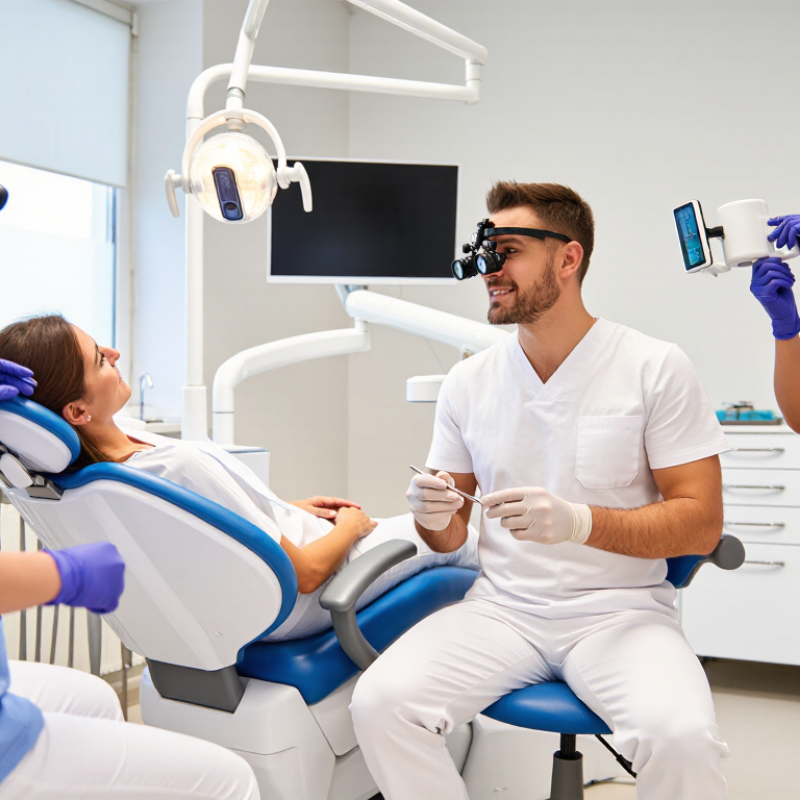
Understanding Posture Risks in Dental Practice
10 Best Posture Tips for Better Dental Professional Health
Understanding Posture Risks in Dental Practice
Dental professionals often work with a forward head, rounded shoulders, and twisted trunks. These positions can overload the neck, back, wrists, and eyes. The risk increases during long procedures, especially when visibility is poor. A good posture strategy begins with the working field, not personal discipline alone.
Adjust the stool so your hips sit slightly higher than your knees. Keep both feet supported and your spine comfortably upright. Position the patient closer, instead of leaning toward the mouth. Keep elbows near the body and shoulders relaxed. Maintain neutral wrists while holding instruments. Use suitable magnification and lighting to reduce neck bending. Change between sitting and standing when the procedure allows. Take brief microbreaks between patients. During each break, gently move the neck, shoulders, and wrists. Build strength for the upper back and trunk through appropriate exercise.
No posture is perfect.
A dental ergonomics assessment can identify risks that staff may overlook. Occupational health professionals or trained ergonomic clinicians can review chair height, instrument placement, and movement patterns. Pain, numbness, or weakness should not be ignored, particularly when symptoms persist or affect daily work. I still notice how quickly concentration can pull the shoulders forward. That small habit deserves honest attention. Records of discomfort, procedure length, and working position may reveal useful patterns over time. However, individual treatment needs differ, so exercise or equipment changes should follow qualified clinical advice.
Setting Up an Ergonomic Dental Workstation
10 Best Posture Tips for Better Dental Professional Health?
Setting Up an Ergonomic Dental Workstation
A healthy dental posture begins with a workstation that supports natural movement. Adjust the patient chair so your elbows stay close to your body. Keep it neutral. Your forearms should remain nearly parallel with the floor during routine procedures. Position the operator stool to support your hips without pressing behind your knees. Place both feet firmly on the floor, or use a stable footrest when necessary. A small adjustment can reduce tension across the neck and shoulders.
Arrange instruments within easy reach, preferably inside your comfortable arm zone. Frequently used tools should not require twisting or leaning forward. Position the operating light to illuminate the field without forcing your head downward. Use indirect vision when appropriate, and adjust the mirror rather than bending your spine. Keep the monitor near eye level. A tilted screen can quietly encourage hours of neck flexion.
Dental ergonomics also depends on movement between patients. Change your working position briefly, even when the schedule feels crowded. I still catch myself leaning forward during demanding procedures. That habit deserves attention, not excuses. A ten-second shoulder roll, gentle neck movement, or relaxed hand stretch can interrupt sustained muscle loading. Check whether your stool height, lighting, and instrument layout truly fit your body. They may look correct on paper but feel wrong in practice.
Maintaining Neutral Posture During Clinical Procedures
10 Best Posture Tips for Better Dental Professional Health
Maintaining Neutral Posture During Clinical Procedures
Neutral posture reduces unnecessary strain during detailed dental work. Keep both feet supported, with knees slightly lower than your hips. Sit close to the patient instead of leaning forward. Keep your pelvis balanced and your lower back gently supported. Keep the neck long. Your head should tilt slightly, not hang toward the oral cavity.
Position the patient so your eyes can work comfortably. Adjust the chair before treatment begins, even during a short procedure. Keep your shoulders relaxed and your elbows near your body. Your forearms should remain close to level, while your wrists stay straight during scaling or instrument handling. Use indirect vision when appropriate, rather than twisting your neck for a clearer view. Small adjustments matter.
Clinical ergonomics guidance supports regular movement instead of holding one position for too long. Change position early. Every 20 to 30 minutes, briefly release your grip, roll your shoulders, and look across the room. Do not ignore tightness between the shoulder blades or aching in the lower back. These signs may indicate repeated overload, not simple tiredness. Even experienced clinicians can drift into awkward positions during complex procedures. I still find that “just one more minute” often becomes a poor habit. A posture check before treatment can prevent that familiar mistake.
Strengthening and Stretching for Dental Professionals
10 Best Posture Tips for Better Dental Professional Health?
Strengthening and Stretching for Dental Professionals
Dental work demands precision, but precision often keeps the body still. A 2022 systematic review reported musculoskeletal symptoms in more than 60% of dental professionals. Neck, shoulder, and lower-back discomfort appeared frequently (International Journal of Environmental Research and Public Health). These figures make posture more than a comfort issue. It becomes an occupational health priority.
Build endurance, not bulk. Two or three weekly sessions can include rows, wall angels, abdominal bracing, and controlled squats. Keep your ribs stacked over your pelvis. Avoid forcing the shoulders downward. During appointments, gently retract the chin and relax the gripping hand. Small corrections matter.
Stretch between patients. Try 20 seconds of chest opening, forearm extension, hip-flexor stretching, and upper-back rotation. Short breaks are easier to repeat. Really short. A 2023 review in Applied Ergonomics linked regular movement breaks with reduced discomfort and fatigue, although study methods varied. Evidence is useful, but not perfect. I sometimes hold stretches too long, especially on busy days. That habit needs correction.
Pain should not be ignored. Sharp pain, numbness, or weakness requires assessment by a qualified healthcare professional. Exercises must fit individual conditions, workload, and fitness level. Record which movements help after a full clinic week, not only after one comfortable morning.
Conclusion
Good posture is essential for dental professionals who spend long hours seated, leaning, and performing precise clinical procedures. Understanding how awkward positions can contribute to neck, shoulder, back, and wrist discomfort is the first step toward prevention. The question “does posture affect dental professionals health” has a clear answer: yes, posture can influence comfort, movement efficiency, concentration, and long-term musculoskeletal well-being. A well-organized workstation, properly adjusted chair, suitable patient positioning, and accessible instruments can help reduce unnecessary reaching and twisting.
During treatment, professionals should aim to keep the head balanced, shoulders relaxed, elbows close to the body, and the spine supported in a neutral position. Regular stretching and strengthening exercises for the core, back, shoulders, and hands can improve stability and reduce tension. Building healthy habits throughout the workday, including changing positions, taking brief movement breaks, and checking alignment regularly, helps make good posture a consistent part of clinical practice rather than a temporary correction.
 Derma Medical
