Choosing the right dental stool is essential for any clinic. A good dental stool enhances comfort and promotes better ergonomics. But what makes a good dental stool? It’s not just about aesthetics or price.
Consider the adjustability of the stool. Many practitioners overlook this feature. The height should accommodate various tasks. A stool that swivels can also enhance accessibility around patients. Look for durable materials that can withstand daily use. However, comfort shouldn’t be sacrificed for sturdiness. Foam padding can significantly impact long procedures.
Remember to reflect on your own needs. Every dentist or assistant has unique preferences. A stool might be perfect for one person but not for another. Test different models to find what suits you best. Ultimately, a well-chosen dental stool can improve your workflow and patient interactions.
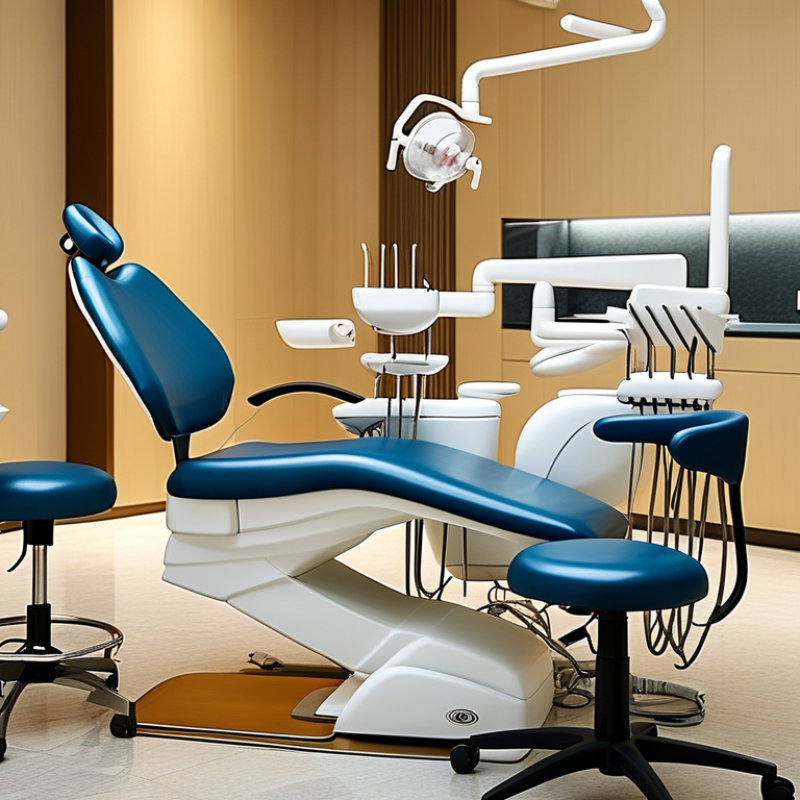
In a dental clinic, the importance of a quality dental stool cannot be overstated. It serves as a vital piece of equipment that directly affects both the dentist's comfort and the quality of care provided to patients. A stool that offers adequate support and flexibility is crucial for maintaining proper posture during long procedures. With many hours spent sitting, the right stool can help prevent physical strain and enhance a dentist’s focus on delicate tasks.
When selecting a dental stool, consider height adjustability. This feature allows the stool to accommodate different patients and procedures effectively. Stools with a swivel function can enable convenient access to instruments and improve workflow. However, many practitioners overlook the importance of selecting a model with adequate lumbar support. Without this, dentists may experience fatigue, impacting their performance and patient interaction.
Another aspect often neglected is the material of the stool. Easy-to-clean surfaces are essential in dental clinics to maintain hygiene. However, comfort should not be sacrificed for cleanliness. Balancing these factors can be challenging. Understanding the impact of a quality dental stool is the first step towards improving clinic efficiency and ensuring a better experience for both practitioners and patients.
Choosing the right dental stool for your clinic involves careful consideration of several key features. Comfort is paramount since dentists and hygienists often spend long hours seated. Look for stools with adjustable height and ample padding to support posture throughout the day. Ergonomic designs can help reduce strain on the back and neck, which is essential for maintaining health over time.
Mobility is another critical factor. A dental stool should have durable wheels that glide smoothly across various floor types. This feature allows easy movement between patients and reduces the risk of accidents. Stability is equally important; a sturdy base will prevent tipping and allow for confident positioning during procedures.
It's worth reflecting on the aesthetic appeal of your dental stool as well. An eye-catching design can make your clinic feel welcoming. However, it should not compromise functionality. Consider how the color and style complement your overall clinic design while ensuring that all practical features are prioritized. Balancing these elements can sometimes be challenging, leading to some tough choices.
When choosing a dental stool, comfort is paramount for dental professionals. A well-designed stool helps reduce fatigue during long hours of work. It's crucial to select a seat with ample cushioning and support for the lower back. Adjustable height features allow for optimal positioning, which is vital for patient care. A stable base ensures safety, preventing unnecessary shifts while working.
Ergonomics play a significant role in the effectiveness of dental stools. Looking for stools that allow freedom of movement can enhance the workflow. Many professionals overlook the importance of armrests, which can provide additional support. However, not every stool needs them; some prefer a more minimalist design.
Materials used in the stool should be easy to clean. This is essential in maintaining hygiene standards. Yet, comfort shouldn’t be compromised for easy maintenance. Finding the right balance can be challenging, and sometimes it requires testing multiple options. Listening to your body and recognizing discomfort can lead to better choices in the long run. Each clinician's needs differ, making personal experience a valuable tool in the selection process.
When selecting a dental stool, durability is a crucial factor. The material should withstand daily wear while being easy to clean. Many dental professionals face issues with materials cracking or fraying. A good stool should resist such damage for long-lasting use.
Maintenance is equally important to ensure longevity. Regular cleaning can prevent buildup of debris and stains. Some stools may require specific cleaning agents. Always check the manufacturer's guidelines for recommendations. If the maintenance is too complex, it may not be worth the hassle.
Finally, evaluate the ease of repairs. Over time, parts may wear down. Look for stools with easily replaceable components. This can save time and money in the long run. Remember, your comfort directly impacts patient care. Choosing a durable stool is not just about investment; it's about enhancing your practice.
When selecting a dental stool, price is an essential factor. High-quality stools can range significantly in cost, from $300 to over $1,000. A 2022 industry report showed that 65% of dental practices consider price as their top purchasing criterion. However, investing more upfront in a durable stool may lead to long-term savings. This is especially relevant, given that the average lifespan of a dental stool is approximately 5 years, often requiring replacements sooner than expected.
Quality stools offer ergonomic features, benefiting both dental practitioners and patients. These features can reduce the risk of musculoskeletal disorders, which are prevalent in the dental field. Research indicates that about 70% of dental professionals experience back pain. Thus, while a budget-friendly stool might seem appealing, it could lead to higher costs related to health issues and increased employee turnover.
Clinics should weigh the immediate costs against the potential long-term benefits. Choosing mid-range options could balance quality and affordability. Many dentists overlook the importance of comfort during long procedures. This oversight could impact their practice's reputation. Investing in a good stool reflects a commitment to both staff well-being and patient care. Quality should never be sacrificed solely for cost savings.
: A good dental stool affects both dentist comfort and patient care. It helps prevent strain and improves focus.
Height adjustability and lumbar support are crucial. A stool that can swivel also enhances workflow.
Easy-to-clean surfaces are vital for hygiene. However, ensuring comfort is equally important to avoid fatigue.
Prices can vary from $300 to over $1,000. High-quality stools may cost more but offer long-term savings.
A quality stool reduces the risk of back pain and musculoskeletal disorders, common issues among dental professionals.
A budget-friendly stool may seem appealing but could lead to health problems and increased turnover in staff.
Look for stools with ergonomic design and good lumbar support. Comfort is essential for long procedures.
The average lifespan of a dental stool is about 5 years, often requiring earlier replacement than expected.
Investing in quality may enhance staff wellness and boost your clinic’s reputation over time.
Yes, a comfortable dentist can provide better care and have improved interactions with patients.
When considering what makes a good dental stool for your clinic, several key factors come into play. Understanding the importance of a high-quality dental stool is essential, as it directly affects the comfort and efficiency of dental professionals. Key features to consider include height adjustability, swivel capability, and easy mobility. Comfort and ergonomics are paramount, as a well-designed stool can help reduce strain during long procedures.
Additionally, assessing durability and maintenance requirements is crucial for ensuring the stool withstands the daily demands of a busy clinic. Finally, price considerations are vital; finding a balance between quality and budget will allow clinics to invest in reliable stools without compromising on their standards. Ultimately, selecting the right dental stool enhances the overall experience for both dental professionals and their patients.

Derma Medical