Why Is Ergonomic Seating Essential for Dentists' Health?

Time:2026-05-16 Author:Sophia
0%

Ergonomic seating plays a vital role in the health of dentists. Research shows that nearly 60% of dental professionals experience back pain. This pain often arises from poor posture and prolonged sitting. Studies indicate that over 70% of dentists report fatigue by the end of the day. This fatigue can affect the quality of patient care. So, why is ergonomic seating important for dentists?

Proper seating design can significantly reduce strain. Ergonomic chairs help align the spine and support healthy posture. A report by the American Dental Association emphasizes that investing in ergonomic solutions can decrease work-related injuries. By prioritizing ergonomics, dentists can enhance their productivity and extend their careers.

Despite the clear benefits, many dentists overlook ergonomic seating. Some argue that traditional seating is sufficient. This misconception can lead to chronic health issues over time. A shift towards ergonomically designed seating options is essential, not just for comfort, but for overall health in the dental profession. Adopting these practices is not only wise but necessary.
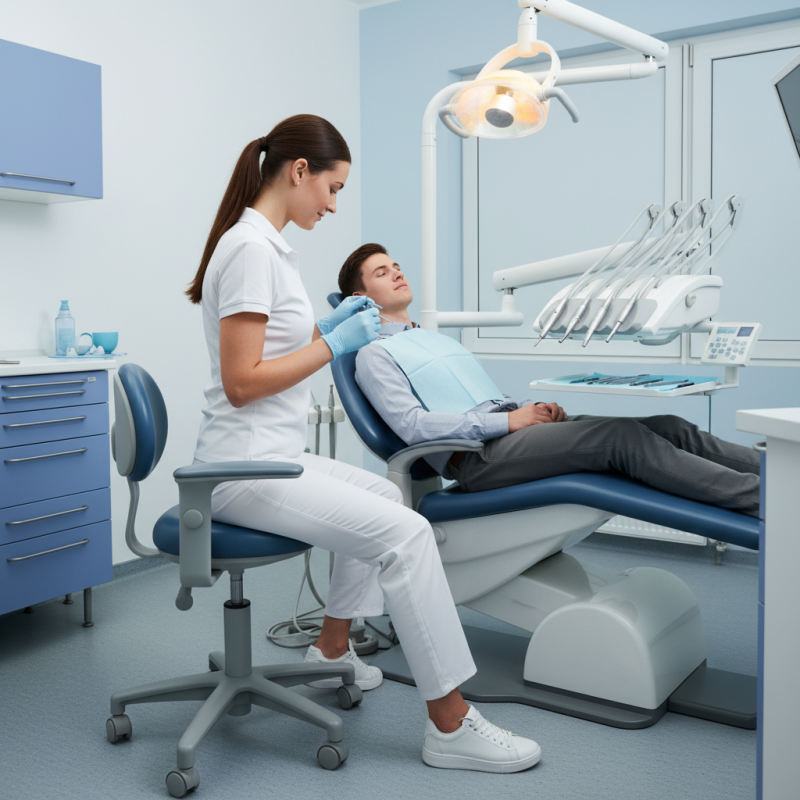
Why Is Ergonomic Seating Essential for Dentists' Health?

Importance of Ergonomic Seating in Dental Practice

Ergonomic seating is vital for dentists. They spend long hours in static positions, which can lead to discomfort and injury. A well-designed chair supports the spine and encourages a neutral posture. This minimizes strain on the neck, back, and shoulders. When dentists are comfortable, they perform better.

In dental practices, the importance of ergonomic seating cannot be overstated. Poor seating can lead to chronic pain and fatigue. Many dentists experience issues like carpal tunnel syndrome or musculoskeletal disorders. These conditions not only affect their health but also their ability to care for patients. Investing in quality ergonomic chairs can make a significant difference over time.

Creating a comfortable workspace involves more than just good chairs. Lighting and desk height also matter. Dentists should reflect on their daily routines. Are they adjusting their seating properly? Regular breaks are essential too. Ergonomics is a continuous journey, and small adjustments can lead to big improvements.

Impact of Poor Posture on Dentists' Physical Health

Dentists spend hours hunched over patients, leading to significant strain on their bodies. This constant bending can result in chronic back and neck pain. Many dentists experience tension headaches and carpal tunnel syndrome due to improper ergonomics. Their demanding work requires them to maintain unnatural positions for extended periods.

Poor posture affects their overall well-being. It can decrease productivity and increase fatigue. Regular stretches can help alleviate some of this discomfort but do not address the root cause. Many dentists ignore their physical health needs. A proper ergonomic chair can significantly improve posture and reduce pain. The right seating allows for better alignment and support.

However, shifting to ergonomic seating is not a one-size-fits-all solution. Each dentist has different needs based on their unique body structure. It is essential to adjust seating positions regularly. Reflecting on how they sit can lead to a healthier work environment. Investing in proper seating is an essential step toward better health for dentists.

Key Features of Ergonomic Dental Chairs

Ergonomic dental chairs are vital for enhancing the health of dental professionals. According to a study published in the Journal of Dental Hygiene, over 63% of dentists report musculoskeletal disorders due to prolonged sitting in non-ergonomic chairs. This alarming statistic highlights the need for better seating solutions.


Key features of ergonomic dental chairs include adjustable height, lumbar support, and contoured designs. These chairs often have multiple positioning options, allowing dentists to maintain a neutral spine. A well-supported back can reduce the risk of chronic pain. The American Dental Association notes that proper seating can lead to a 30% decrease in discomfort during procedures.


Quality materials also matter. Chairs made with breathable fabrics can enhance comfort for long hours of use. Reports indicate that even small improvements in chair design can lead to significant health benefits. Yet, many dental practices still overlook the importance of these features. It's crucial for dental professionals to re-evaluate their seating options to protect their long-term health.

Strategies for Selecting the Right Ergonomic Seating

Choosing the right ergonomic seating is crucial for dentists. Proper seating can mitigate the physical toll of long hours spent in dental practice. Understanding the unique needs of your body will help in making informed decisions.

Consider your workload. A dentist often shifts positions frequently. Look for chairs that allow for easy adjustments and support various postures. Not every chair will suit your needs. Test different styles to find the best fit. A chair should support your lower back, promoting upright posture.

Tips for selection:

  • Look for lumbar support that contours to your spine.
  • A chair with adjustable height and armrests can improve comfort.
  • Check the seat depth. Too deep can lead to circulation issues.

Evaluate materials as well. Breathable fabrics can enhance comfort during long procedures. Reflect on how the chair feels over time. Comfort can change as you adapt to a new seating arrangement. Don't rush your decision. Take the time to choose wisely.

Long-term Benefits of Ergonomic Seating for Dentists' Well-being

Ergonomic seating is crucial for dentists, who often work in awkward positions for extended periods. According to a study published by the American Dental Association, nearly 80% of dental professionals experience back pain due to poor posture. Properly designed seating helps mitigate these risks. It allows dentists to maintain an optimal posture while treating patients, which can reduce strain on the back, neck, and arms.

Long-term benefits of ergonomic seating extend beyond physical comfort. Improved posture can enhance focus and efficiency during procedures. A report from the National Institute for Occupational Safety and Health highlights that ergonomic solutions in the workplace can lead to a 15% increase in productivity. This increase is vital in a high-paced environment like dentistry, where attention to detail is paramount. Moreover, investing in ergonomic furniture can lead to lower health costs over time, reducing the need for medical interventions related to musculoskeletal disorders.

Dentists must reflect on their current seating arrangements. Many may overlook the toll that poorly designed furniture takes on their health. Subtle changes, like adjusting seat height and lumbar support, aren't always straightforward but can yield significant health improvements. Adopting ergonomic seating isn't just a choice; it’s an essential commitment to long-term well-being. Addressing the physical demands of the profession is an ongoing challenge, but it’s one that deserves attention.

Why Is Ergonomic Seating Essential for Dentists' Health? - Long-term Benefits of Ergonomic Seating for Dentists' Well-being

Dimension Description Long-term Benefits
Posture Support Ergonomic seating promotes proper posture while working. Prevents musculoskeletal disorders.
Comfort Level Designed to reduce discomfort during long procedures. Enhances productivity and concentration.
Mobility Facilitates easy movement around the dental chair. Improves workflow efficiency.
Adjustability Can be tailored to fit individual needs. Reduces strain on the body over time.
Material Quality Utilizes breathable and supportive materials. Increases longevity of seating and comfort.

FAQS

: Why is ergonomic seating important for dentists?

: Ergonomic seating supports the spine and encourages neutral posture, reducing strain on the neck and back.

What issues do dentists face from poor seating?

Dentists often experience chronic pain, fatigue, and musculoskeletal disorders like carpal tunnel syndrome.

How can proper seating affect a dentist's performance?

Comfortable seating allows dentists to focus better, ultimately improving their performance and patient care.

What should dentists consider for a comfortable workspace?

They should think about lighting, desk height, and how often they adjust their seating throughout the day.

Why is reflecting on daily routines important for dentists?

Regular reflection helps identify poor habits and encourages proper seating adjustments to enhance comfort.

Can regular breaks help alleviate discomfort for dentists?

Yes, taking regular breaks is essential to prevent strain and improve overall workplace ergonomics.

Are there specific features to look for in ergonomic dental chairs?

Look for adjustable height, lumbar support, and contoured designs to maintain a neutral spine.

What role do materials play in the comfort of a dental chair?

Quality materials, like breathable fabrics, enhance comfort during long hours of use in dental practice.

Is ergonomic seating a one-size-fits-all solution for dentists?

No, each dentist has unique needs based on their body structure, requiring personalized adjustments.

What can happen if dental practices neglect proper seating?

Ignoring ergonomic seating can lead to long-term health issues and decreased productivity for dental professionals.

Conclusion

Ergonomic seating is crucial in dental practice due to its significant impact on dentists' health and overall well-being. Poor posture while working can lead to various physical ailments, including back pain, neck strain, and even chronic musculoskeletal disorders. Therefore, understanding "why is ergonomic seating important for dentists" goes beyond mere comfort; it directly influences their ability to perform efficiently without risking their health.

Ergonomic dental chairs possess key features that support proper posture and reduce physical strain, making them essential tools in a dentist's practice. When selecting ergonomic seating, dentists should consider features like adjustable height, lumbar support, and mobility. By investing in ergonomic solutions, practitioners can ensure long-term benefits for their health, reduce absenteeism, and ultimately enhance patient care. Prioritizing ergonomic seating not only safeguards dentists' physical well-being but also contributes to a more effective and sustainable practice.

Sophia

Sophia

Sophia is a dedicated marketing professional with an exceptional depth of knowledge about her company's products and services. With a keen understanding of market trends and customer needs, she crafts insightful blog posts that not only inform but also engage readers, enriching the company’s online......