Choosing the right dental chair is crucial for any dental practice. Dentists must understand what features should a dental chair have to ensure patient comfort and efficient workflow. Various elements play a role in making a dental chair functional and reliable.
Comfort and ergonomics are paramount. A well-designed chair can help reduce strain on the practitioner and enhance the patient experience. Features such as adjustable height and tilting options make a significant difference. Additionally, durability is essential; a chair must withstand everyday use without compromise.
Technology also impacts the decision. Integration of equipment, like digital control panels, can streamline procedures. Proper cushioning and materials contribute to hygiene and longevity. Managers should consider aesthetics too, as a modern look can attract new clientele. Investing time in evaluating these features can elevate a practice's standard and patient satisfaction.
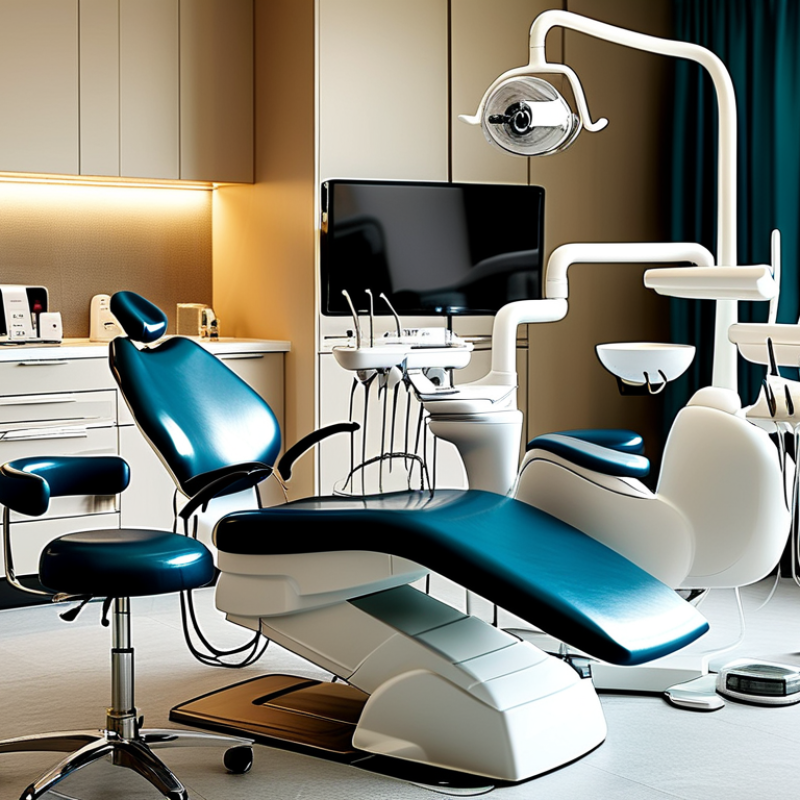
Choosing the right dental chair is crucial for ensuring patient comfort during appointments. The design and features of the chair can significantly enhance or detract from a patient’s experience. Optimal cushioning is vital; it allows patients to relax, which is important, especially during longer procedures. Chairs with ergonomic designs can help maintain proper posture for both the patient and the dentist. This can reduce the likelihood of discomfort and ensure that the dental team can perform effectively.
Adjustable features are another key aspect. A chair that can tilt or change height quickly can adapt to the needs of various patients. This flexibility improves accessibility for everyone, including those with mobility challenges. Consideration for additional features, like armrests and head support, enhances patient ease. However, chairs that lack these may leave patients feeling unsupported, which can increase anxiety.
Noise-reduction technology is often overlooked but can greatly impact the chair's effectiveness. A quiet chair contributes to a calming environment. Not all chairs achieve this balance, so it’s a factor worth evaluating. Ensuring that your dental chair includes these essential features promotes a positive atmosphere. Every small detail can make a significant difference in patient satisfaction and overall experience in the dental office.
| Feature | Description | Benefits |
|---|---|---|
| Adjustable Headrest | Allows for proper alignment of the patient's head for optimal positioning. | Enhances patient comfort and accessibility for the dentist. |
| Ergonomic Design | Promotes natural body posture and reduces strain. | Improves dentist efficiency and reduces physical fatigue. |
| Reclining Feature | Allows patients to recline comfortably during procedures. | Enhances patient comfort and reduces anxiety. |
| Easy-to-Clean Materials | Made from materials that are resistant to stains and easy to disinfect. | Ensures hygiene and patient safety. |
| Integrated Lighting | Built-in lights that illuminate the oral cavity during procedures. | Improves visibility and precision for the dentist. |
| Foot Control | Allows hands-free adjustments of chair positions. | Increases efficiency and focus on patient treatment. |
| Storage Compartments | Include built-in storage for dental tools and materials. | Enhances organization and accessibility during procedures. |
| Adjustable Armrests | Can be moved to suit patient's comfort level. | Provides additional comfort and support for patients. |
| Quiet Operation | Mechanisms designed to operate with minimal noise. | Reduces patient anxiety during treatment. |
| Safety Lock Mechanism | Ensures stability and safety during use. | Provides peace of mind for both dentist and patient. |
: Integrated technology enhances workflow by detecting patient movements and adjusting for comfort, minimizing disruptions during procedures.
They allow seamless communication with dental management software, enabling quick access to patient records and treatment plans.
Voice-activated controls allow hands-free management of chair settings, improving efficiency, though not widely adopted yet in all practices.
New chairs must work well with existing tools. Poor compatibility can disrupt operational flow and create challenges.
Dental chairs need to use non-toxic materials and have features like circuit breakers to ensure safety and compliance with regulations.
Regular inspections help ensure safety features are functional and can enhance the overall reputation of a dental practice.
Ergonomics is crucial for comfort; an uncomfortable chair affects posture and pain levels for both patients and dentists.
Regular maintenance is essential. Pay attention to wear and tear which can affect safety and functionality over time.
A precise balance of comfort, safety, and ease of use leads to better experiences for both patients and practitioners.
Some technologies may not be embraced fully, reflecting the need for careful evaluation before implementation in practices.
When considering what features a dental chair should have, optimal patient comfort is paramount. Essential features include adjustable positioning to accommodate various patient needs and cushioning that supports long durations comfortably. Ergonomics also plays a crucial role, ensuring that both dentists and patients can maintain healthy postures during procedures. This reduces fatigue and enhances the overall experience.
Additionally, integrated technology can significantly improve efficiency and workflow, allowing for seamless transitions between different stages of treatment. Durability and ease of maintenance are vital for ensuring long-term value, as dental equipment must withstand frequent use. Lastly, adherence to safety standards and compliance with regulatory requirements is non-negotiable in providing a safe environment for both patients and practitioners. In sum, these features combine to create a functional, efficient, and safe dental practice.

 Derma Medical