Does dental chair comfort affect patients? The answer is more significant than many clinics realize. A rigid backrest, narrow seat, or sudden hydraulic movement can increase tension before treatment begins. Patients may grip the armrests, raise their shoulders, or delay telling the dentist about pain. Small physical details can change the entire appointment.
Prosthodontist Dr. Gordon J. Christensen has repeatedly emphasized the importance of patient-centered care, a principle reflected in his statement: “Patients deserve to be comfortable during dental treatment.” Comfort supports more than relaxation. It can improve communication, cooperation, and the patient’s willingness to return for regular care. A supportive headrest may reduce neck strain. Smooth upholstery can prevent pressure points. Adjustable positioning can help older adults, children, and patients with limited mobility.
Still, comfort is not a magic solution. A soft chair cannot replace careful diagnosis, skilled treatment, or honest communication. That is an important limitation. Some patients remain anxious even in an excellent operatory. Others may find deep reclining uncomfortable or feel exposed during treatment. Personal preference matters.
This article examines the top 10 ways dental chair comfort affects patients, from anxiety and pain perception to treatment cooperation and long-term loyalty. It also considers practical weaknesses, including poor cleaning, difficult controls, and chairs designed for clinicians rather than patients. The goal is not to praise expensive equipment blindly. It is to understand how thoughtful design, attentive staff, and clinical expertise work together to create safer, calmer dental experiences.
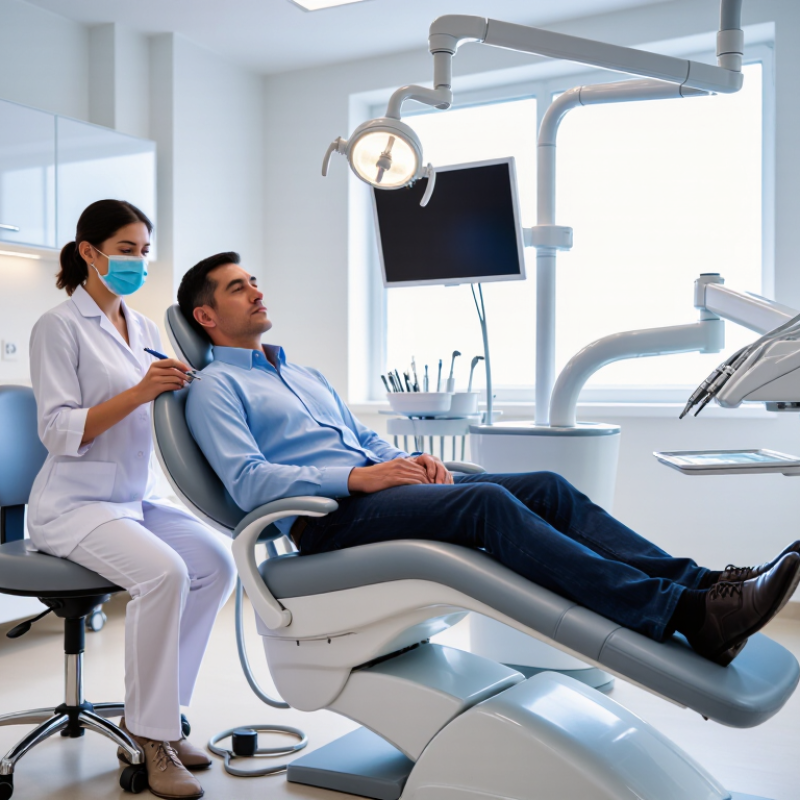
Dental chair comfort influences more than a patient’s first impression. It can shape cooperation, communication, and perceived treatment quality. A supportive chair distributes pressure across the back and hips. This reduces muscle strain during longer procedures. Adjustable head support can help maintain a steady position. Stable positioning also improves the clinician’s access and visibility. Better access may support precise, efficient care.
Comfort can reduce anxiety, especially when patients already expect discomfort. Gentle movement, suitable cushioning, and clear adjustments may encourage slower breathing. Patients who feel secure are often more willing to ask questions. They may also report pain earlier. A comfortable position can reduce jaw tension, neck fatigue, and restless movement. These changes help protect concentration for both patient and dental team. Still, comfort is personal. A chair that feels soft to one patient may feel unstable to another. I have noticed that small adjustments sometimes matter more than expensive features.
Tips: Ask about pressure points before treatment begins. Support the knees when the lower back feels strained. Adjust the headrest before reclining fully. Keep a small cushion available for shorter patients. Explain every movement before making it. Offer brief pauses during lengthy procedures. Check whether the patient can swallow and breathe comfortably. Do not assume silence means comfort. A quiet patient may simply feel uncertain. Record useful preferences for future visits, while inviting the patient to correct them.
A dental chair does more than hold the patient during treatment. Its padding, height, and back angle can influence muscle tension and perceived stress. Firm support may help some patients, while others need softer cushioning. Comfort is not identical for everyone.
A well-positioned headrest keeps the neck steady without pressing against the skull. Small adjustments can reduce jaw strain during longer procedures. Leg support also matters, especially for older adults or patients with limited mobility. The clinician should check whether the patient can breathe, swallow, and signal discomfort easily. A simple hand signal helps when speaking is impossible.
Room temperature, overhead lighting, and equipment vibration can change the entire experience. Bright light may cause eye discomfort, so protective glasses can help. Cold air on exposed arms feels minor, but it can increase tension. Noise from suction devices may also make patients brace their shoulders. Short pauses allow patients to relax and reposition. They are not wasted time. In practice, I have noticed that a carefully adjusted chair still cannot solve every problem. Some discomfort comes from anxiety, previous injuries, or an unsuitable posture. I may not notice every pressure point, so direct feedback remains essential.
Evidence-informed comfort factors and practical reference targets for a more tolerable dental visit.
| No. | Physical Comfort Factor | What the Patient Experiences | Influence on the Visit | Practical Comfort Reference |
|---|---|---|---|---|
| 1 | Back and lumbar support | The lower back and spine remain supported while the chair reclines. | Reduces muscle strain and makes longer examinations or procedures easier to tolerate. | Use continuous back support with no sharp pressure points; provide an additional cushion when needed. |
| 2 | Head and neck positioning | The head feels stable without excessive neck extension or rotation. | Helps prevent neck fatigue, headache, and discomfort during procedures requiring a steady position. | Adjust the headrest to support the natural curve of the neck and reposition it between treatment stages. |
| 3 | Seat cushioning and pressure distribution | Body weight is distributed evenly instead of concentrating on the hips or tailbone. | Lowers the likelihood of numbness, soreness, and frequent position changes. | Use supportive, resilient padding that cushions without allowing the patient to sink into an unstable posture. |
| 4 | Arm and shoulder support | The arms can rest naturally without shoulder elevation or tension. | Encourages muscle relaxation and may reduce the feeling of bracing during treatment. | Armrests should be padded, stable, and positioned to avoid restricting entry, exit, or clinical access. |
| 5 | Leg and knee positioning | The legs feel supported and are not left hanging or forced into an awkward angle. | Improves overall stability and can reduce pressure behind the knees and tension in the thighs. | Support the lower legs where possible and check circulation or pressure concerns during longer visits. |
| 6 | Smooth and predictable movement | Chair movements feel controlled rather than sudden or unexpected. | Reduces startle responses and supports a greater sense of safety and control. | Explain the movement before changing position and use slow, steady transitions whenever practical. |
| 7 | Seat width and freedom of movement | The patient can sit without hip compression or feeling confined by the chair. | A better fit can reduce physical tension, particularly for larger, pregnant, or mobility-limited patients. | Select an appropriate chair position and maintain clear transfer space for safe entry and exit. |
| 8 | Temperature and surface comfort | The upholstery and surrounding air feel neither excessively cold nor overheated. | Prevents minor physical discomfort from adding to dental anxiety or treatment fatigue. | Use clean, dry, non-slip upholstery and offer a light blanket when the room or patient requires it. |
| 9 | Noise and vibration transmitted through the chair | Mechanical sounds or vibration are less noticeable through the body. | A quieter, steadier experience may reduce perceived treatment intensity and physical alertness. | Maintain moving components and avoid unnecessary chair adjustments during active treatment. |
| 10 | Ease of entry, exit, and repositioning | The patient can transfer onto and off the chair with adequate time and physical support. | Reduces strain, embarrassment, and fall risk, especially for older adults or patients with limited mobility. | Leave a clear path, offer assistance without rushing, and return the chair to a safe exit position before standing. |
Note: These are practical, evidence-informed reference points rather than universal clinical requirements. Individual comfort needs vary with age, body size, pregnancy, disability, pain conditions, and procedure length.
A comfortable dental chair can change a patient’s emotional response before treatment begins. When the back supports the spine and the headrest holds steady, the body receives fewer threat signals. Patients may breathe more slowly, unclench their hands, and speak more openly with the dental team. Small details matter. A cold surface or unstable head position can increase tension.
The Adult Dental Health Survey 2009 reported that about 12% of adults in England, Wales, and Northern Ireland felt extremely anxious about dental treatment. Another 36% reported some anxiety. These figures show why physical comfort deserves clinical attention. A supported posture may reduce restlessness during injections, cleaning, or longer procedures. It can also help patients feel less trapped. That feeling is often overlooked.
Comfort does not remove dental fear. It is not a cure. However, it can create a safer emotional starting point. A 2022 review in the Journal of Dental Research linked dental anxiety with delayed visits and poorer oral-health behaviors. In practice, a patient who feels respected may ask questions instead of silently enduring discomfort. That response improves communication and informed consent. Still, comfort alone is insufficient; noise, waiting time, and previous painful experiences can remain powerful triggers. Dental teams should measure comfort directly, because assumptions are easy—and sometimes wrong.
A comfortable dental chair helps patients remain still, breathe calmly, and communicate during treatment. Adjustable height improves the clinician’s access and reduces awkward bending. A supportive headrest keeps the head stable during delicate procedures. Gentle cushioning limits pressure on the back, hips, and legs. Clear arm support can make transfers safer, especially for older adults or patients with limited mobility. Smooth movement also reduces sudden shifts that may increase anxiety.
Chair design influences treatment efficiency in practical ways. Stable positioning improves visibility and instrument control. Easy adjustment supports accurate imaging and suction placement. A reclining backrest can help patients tolerate longer appointments. Quiet, controlled motion may reduce interruptions caused by discomfort. Better ergonomic support can also reduce clinician fatigue, which supports consistent attention and safer hand movements. These details sound simple. They matter.
In daily practice, comfort should be checked, not assumed. Ask about pressure behind the knees, neck strain, or restricted breathing before treatment begins. A chair may appear advanced, yet poor adjustment can still create discomfort. Over-reclining is not always suitable for every patient. Some people need slower movement, extra support, or a short pause. The best design supports safe transfers, stable posture, clear communication, and efficient access without treating every patient the same.
Dental chair comfort can shape ten meaningful patient outcomes, not merely create a pleasant appointment. A supportive headrest and balanced backrest may reduce neck strain and lower anxiety. Patients often report less pain when pressure points are controlled. Steadier breathing can follow when the chest and shoulders feel unrestricted. Some patients become more willing to keep their mouths open during longer procedures.
Comfort also supports better cooperation. Patients may move less suddenly, helping clinicians work with greater precision. Clearer communication becomes easier when patients do not feel trapped or tense. A comfortable position can increase trust, especially for people with previous dental fears. It may also reduce jaw fatigue during treatment. Small adjustments matter, such as supporting the knees, checking lumbar pressure, and pausing when numbness feels uncomfortable.
From clinical experience, patients who feel respected often recover more calmly after treatment. They may return for follow-up care instead of delaying necessary visits. However, chair comfort is not a cure-all. Pain, fear, and past trauma still require careful explanation and professional support. I have seen comfortable patients remain anxious, and that reminder matters. The best approach combines ergonomic support, consent-based communication, accurate treatment planning, and regular comfort checks. “Is this position still comfortable?”
Good support reduces pressure on the back and hips. It may also limit neck fatigue and restless movement. Small adjustments can matter more than expensive features.
Stable support may help patients breathe more slowly and relax their hands. It creates a safer starting point. Comfort does not remove fear.
Adjust the headrest before reclining fully. Support the knees when the lower back feels strained. Keep a small cushion nearby for shorter patients.
A steady headrest helps maintain position during longer procedures. It can reduce jaw and neck strain. Too much pressure still causes discomfort.
Yes. Ask about pressure points before treatment begins. Use a hand signal when speaking is difficult. Silence does not always mean comfort.
Bright lights may cause eye discomfort, so protective glasses can help. Cold air can increase body tension. Equipment noise may make patients brace their shoulders.
Brief pauses allow patients to swallow, breathe, relax, and reposition. They are not wasted time. I sometimes underestimate their value.
No. One patient may prefer firm support, while another needs softer cushioning. Previous injuries, anxiety, and posture also influence comfort.
Explain every movement before making it. Ask whether the patient can breathe and swallow comfortably. Record useful preferences, but invite corrections later.
Dental chair comfort plays an important role in patient-centered care, influencing how people experience diagnosis and treatment. The question “does dental chair comfort affect patients” can be answered through both physical and emotional factors. Proper cushioning, adjustable positioning, stable support, suitable height, and easy access can reduce pressure, muscle strain, fatigue, and discomfort during longer appointments. A well-designed chair may also help patients feel more secure, relaxed, and willing to communicate with the dental team.
Better comfort can support safer positioning, clearer access to the treatment area, smoother instrument use, and greater treatment efficiency. It may contribute to ten positive patient outcomes: less pain, reduced anxiety, improved relaxation, easier breathing, better cooperation, stronger trust, clearer communication, greater appointment satisfaction, increased willingness to return, and improved acceptance of recommended care. Overall, dental chair comfort is not merely a convenience; it is a practical part of safety, efficiency, emotional support, and a more positive patient experience.

Derma Medical