How to Improve Dental Clinic Efficiency for Better Patient Care?

Time:2026-08-12 Author:Mason
0%

In today's fast-paced healthcare environment, dental clinics face increasing pressure to enhance patient care. Understanding how to improve dental clinic efficiency is essential for better outcomes. With the right strategies, clinics can streamline operations while ensuring high-quality service.

Efficient processes lead to happier patients and staff. A well-organized clinic can reduce wait times significantly. Moreover, effective scheduling systems can minimize gaps in appointments. Each element contributes to the overall experience, impacting patient satisfaction and retention. However, many clinics still struggle with resource allocation and communication barriers.

Addressing these challenges requires a commitment to continuous improvement. Regularly evaluating workflow and seeking feedback from both staff and patients can reveal hidden inefficiencies. Embracing technology is another essential step. Digital tools can help track performance and identify areas needing enhancement. Ultimately, focusing on how to improve dental clinic efficiency not only benefits the clinic but also elevates the level of patient care provided.
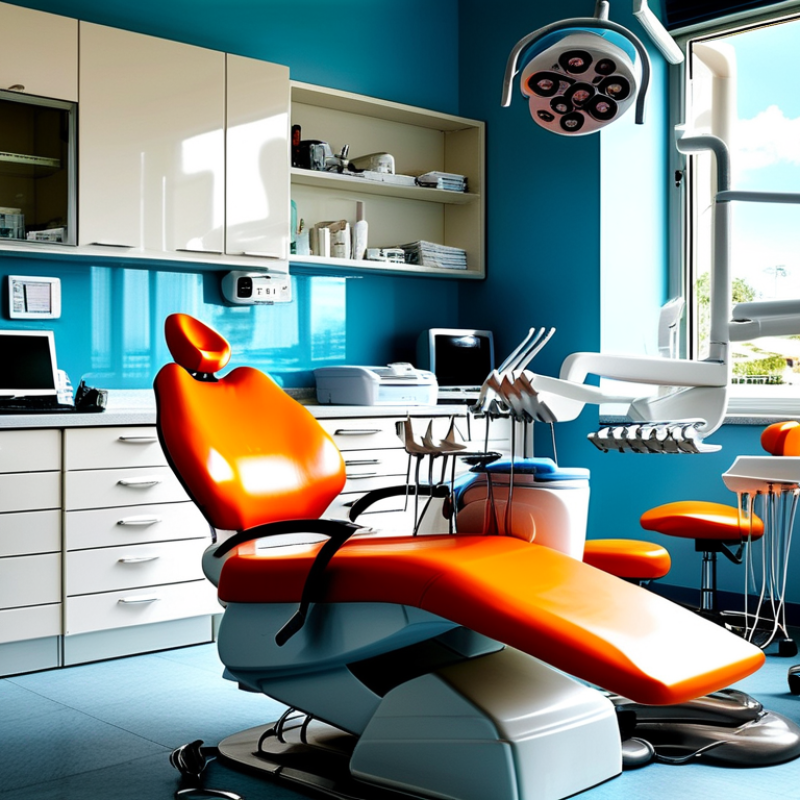
How to Improve Dental Clinic Efficiency for Better Patient Care?

Assessing Current Workflow and Identifying Bottlenecks in Patient Care

Assessing the current workflow in a dental clinic is vital for enhancing patient care. Observing daily operations can reveal significant bottlenecks. Common issues include over-scheduling appointments, inefficient patient record management, and unclear communication between staff members. Each of these areas can lead to delays and frustrated patients.

Tips: Start by mapping out the entire patient journey. Identify where delays occur. Analyze appointment times and patient flow. Is the waiting room overcrowded? This often indicates that your scheduling needs revision. Regular team meetings can also improve communication, ensuring everyone understands their roles.

Consider using simple digital tools for record-keeping. Paper records can slow down processes. They are prone to errors and can get lost. Transitioning to an organized digital system may seem daunting, but it pays off. It reduces time spent searching for information and enhances patient interactions. Reflect on current practices. Are there repetitive tasks that could be streamlined? Finding these gaps will lead to improved efficiency and better care.

Implementing Technology Solutions for Streamlined Operations

Dental clinics face increasing pressure to enhance efficiency while maintaining high-quality patient care. One solution lies in implementing technology. A recent report from the American Dental Association indicates that practices utilizing software for scheduling and patient communication can boost efficiency by up to 30%. However, many clinics still rely on outdated methods, leading to wasted time and resources.

Investing in robust practice management software can streamline operations significantly. This technology automates appointment scheduling, billing, and patient reminders. This not only reduces no-show rates but also ensures a smoother workflow. Although initial setup costs might be daunting, the long-term benefits typically outweigh these costs. Ensuring staff is trained to use these tools effectively is crucial for maximizing their impact.

**Tip:** Regularly assess your clinic’s technology needs. Evaluate if current tools meet the demands of your practice. **Tip:** Gather feedback from staff on technology usage. This can identify areas for improvement. **Tip:** Schedule periodic training sessions to keep your team updated on best practices. By doing so, your clinic can transform into a more efficient space, enhancing both staff satisfaction and patient care.

Enhancing Staff Training and Communication for Improved Collaboration

Effective communication and robust staff training are vital for enhancing collaboration in dental clinics. Research shows that clinics investing in staff development see a 30% increase in patient satisfaction. Training fosters confidence and competence among team members. When employees are well-prepared, they collaborate more effectively, making patient care smoother and more efficient.

Tips: Regular training sessions can address gaps in knowledge and skills. Focus on hands-on training for real-world scenarios. Encourage staff to share experiences and learn together. Open communication channels between staff can reduce misunderstandings and create a cohesive work environment.

Moreover, integrating technology in training can streamline processes. A study cited by the American Dental Association highlights that clinics using learning management systems report a 25% decrease in onboarding time. However, the reliance on technology may sometimes lead to a detachment from personal interactions. Balancing tech-based training with interpersonal skills is crucial.

Encouraging feedback is another area that needs reflection. Team members should feel safe voicing concerns. Open discussions can highlight areas for improvement, fostering a culture of continuous growth. Ultimately, improving communication and training can significantly boost a clinic's efficiency and enhance patient care outcomes.

Dental Clinic Efficiency Metrics

This chart illustrates key metrics for improving efficiency in a dental clinic. The focus is on staff training hours, patient satisfaction ratings, appointment wait times, and the frequency of collaboration activities.

Optimizing Appointment Scheduling and Patient Flow Management

Optimizing appointment scheduling and patient flow is vital for dental clinics aiming to boost efficiency. Research shows that inefficient scheduling can lead to appointment delays and patient dissatisfaction. A study by the American Dental Association highlights that a well-structured schedule can increase patient retention by 20%. Streamlining this process not only improves patient experiences but also enhances staff productivity.

Implementing a robust patient flow management system can reduce wait times significantly. For instance, clinics that adopted digital check-in procedures saw a 30% decrease in patient wait times. This technology allows treatment coordinators to better manage the patient journey. However, even tech-heavy systems require regular assessments. Monitoring the effectiveness of new strategies is essential. Some clinics may find initial resistance from staff, as they adapt to new workflows.

Incorporating feedback from both patients and staff can provide valuable insights. Regularly reviewing appointment trends and adjusting schedules accordingly can lead to more satisfied patients. A focus on continuous improvement ensures that clinics remain adaptable. This approach cultivates an environment where patient care is prioritized, ultimately driving healthy practice growth.

How to Improve Dental Clinic Efficiency for Better Patient Care? - Optimizing Appointment Scheduling and Patient Flow Management

Metric Current Value Target Value Improvement Strategy
Patient Wait Time (minutes) 30 15 Implementing an advanced scheduling software
Appointment No-Show Rate (%) 20 10 Send appointment reminders via SMS and email
Patient Throughput (patients/day) 40 60 Adjust staff schedules and optimize workflows
Patient Satisfaction Score (1-5) 3.5 4.5 Regular feedback surveys and staff training

Gathering Patient Feedback for Continuous Improvement and Adaptation

Gathering patient feedback is essential for improving dental clinic efficiency. It helps clinics adapt to the changing needs of their patients. Regular feedback allows clinics to identify areas for improvement. This engagement builds trust with patients, making them feel valued.

One effective method to collect feedback is using surveys. Short, anonymous surveys can be distributed after appointments. Ask specific questions about their experience, waiting times, and staff courtesy. This information provides insights into what works and what doesn’t.

Another approach is to create a feedback box in the clinic. Encourage patients to share their thoughts openly. It allows for honest responses and can reveal unexpected issues. Actively listening to patients can uncover areas for immediate action, leading to better care.

Implementing these tips can enhance patient care. Clinics may discover opportunities to streamline processes. Continuously adapting based on feedback is key to success. Engaging with patients can transform their experience significantly.

FAQS

: Why is assessing the current workflow important in a dental clinic?

: Assessing workflow helps identify bottlenecks that can negatively impact patient care.

What are common issues found in dental clinics?

Over-scheduling, inefficient record management, and unclear communication often create delays.

How can identifying patient journey bottlenecks improve efficiency?

Mapping the patient journey reveals where delays occur, helping to streamline operations.

What role does technology play in enhancing clinic efficiency?

Technology automates scheduling and billing, reducing wasted time and improving workflow.

Should clinics transition to digital record-keeping?

Yes, digital systems reduce errors and enhance patient interactions, despite initial challenges.

How can regular team meetings improve communication?

Meetings ensure all staff understand their roles, reducing confusion and enhancing patient care.

How can staff feedback aid in using technology effectively?

Feedback identifies areas for improvement, helping tailor technology to clinic needs.

What are the benefits of practice management software?

It streamlines operations, reduces no-show rates, and enhances staff efficiency.

How can clinics ensure staff are trained on new technology?

Schedule periodic training sessions to keep staff updated on best practices.

What are the potential drawbacks of outdated methods?

Relying on outdated methods wastes time and resources, hindering overall efficiency.

Conclusion

Improving dental clinic efficiency is crucial for enhancing patient care and overall satisfaction. To achieve this, clinics should start by assessing their current workflow to identify bottlenecks that hinder patient services. Embracing technology solutions can streamline operations, making processes smoother and faster. Moreover, enhancing staff training and fostering communication can lead to better collaboration among team members, ensuring a more cohesive working environment.

Additionally, optimizing appointment scheduling and managing patient flow effectively is essential for minimizing wait times and improving the patient experience. Lastly, gathering patient feedback serves as a vital tool for continuous improvement, allowing clinics to adapt and evolve based on patient needs and expectations. By focusing on these areas, clinics can significantly learn how to improve dental clinic efficiency while providing quality care to their patients.

Mason

Mason

Mason is a seasoned marketing professional with a deep expertise in the company's offerings and a passion for driving brand awareness. With a strong background in digital marketing strategies, he has an innate ability to connect with diverse audiences and effectively communicate product benefits.......