Maintaining dental equipment is crucial for any dental practice. Proper care ensures consistent performance and longevity. Understanding how to maintain dental equipment can save money and time in the long run. Regular maintenance reduces the likelihood of breakdowns, which can disrupt patient care.
Equipment needs routine inspection. Look for signs of wear and tear. Follow manufacturer guidelines closely. However, not every dental practitioner fully comprehends these procedures. Sometimes, equipment is neglected. This oversight can lead to increased expenses and less efficient operations.
Establishing a maintenance schedule is essential. Create checklists for daily, weekly, and monthly tasks. Additionally, enlist the help of experts for complex equipment. Reflecting on past mistakes can guide better practices. Addressing maintenance proactively enhances the reliability of your tools, ultimately benefiting your patients and practice.
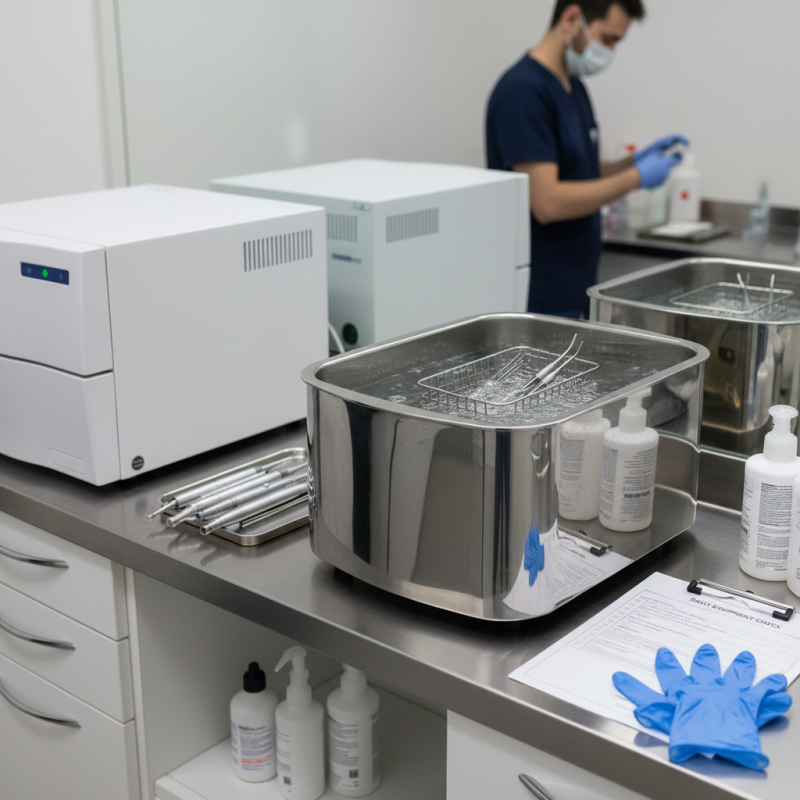
Regular maintenance is essential for dental equipment longevity. Most dental tools have intricate mechanisms that can wear down quickly if neglected. For example, routine cleaning and sterilization can prevent buildup of debris. This not only maintains the equipment's functionality but also ensures patient safety. Inadequate maintenance can lead to equipment failure, which disrupts practice and potentially harms patients.
Establishing a maintenance schedule is crucial. Daily checks should include inspecting high-speed handpieces and sterilizers. Weekly and monthly deep cleaning is equally important. Practical details matter; using the right cleaning agents can enhance equipment lifespan. Neglecting these practices can lead to costly repairs or replacements.
It's worth reflecting on past mistakes. Many practices overlook small issues, thinking they will resolve themselves. However, these small problems can escalate. Ensure your team is trained in proper maintenance. A knowledgeable staff will recognize when equipment requires attention. This proactive approach not only safeguards your equipment but also fosters trust with patients.
Proper cleaning and maintenance of dental instruments are crucial for ensuring their longevity and efficiency. Regular cleaning helps prevent cross-contamination. Following established protocols can keep your tools in optimal working condition.
For hand instruments, rinsing immediately after use is vital. This step removes debris and blood, reducing staining. Using a soft brush can help clean hard-to-reach areas. After rinsing, soak them in a disinfectant solution for the recommended time. Rinse again and dry thoroughly to avoid rusting. Autoclaving should follow for sterilization.
Instruments made of sensitive materials require special care. Using ultrasonic cleaners can be effective for these tools. They can thoroughly clean without causing damage. Regular inspection for wear and tear can prevent unexpected equipment failure. Reflecting on your cleaning habits can uncover areas for improvement. Each step in your protocol plays a critical role in maintaining instrument integrity. Don’t overlook these vital practices.
Sterilizing dental tools is crucial for patient safety. It prevents cross-contamination and keeps procedures safe. Dental professionals must adhere to strict protocols to ensure the effectiveness of sterilization. Tools should be cleaned thoroughly before sterilization. This involves using an ultrasonic cleaner or a mechanical washer. Thorough cleaning removes debris and biofilm. Any residues can hinder the sterilization process.
Once cleaned, tools should be properly packaged. Use suitable materials to maintain sterility until they are needed. Autoclaving is a common method for sterilization. It uses high-pressure steam to eliminate microorganisms. Regular calibration of sterilization equipment is essential. This ensures that the equipment functions correctly and that proper temperatures are achieved.
Monitoring and logging sterilization cycles is important too. This practice helps track which tools have been processed. However, there can be human errors, such as incorrect loading or timing. Continuous training for staff can help address these issues. Even with the best practices, occasional lapses can occur. Reflecting on these situations is key to improving procedures.
Monitoring and replacing worn parts in dental equipment is crucial for ensuring optimal performance. According to the American Dental Association, regular maintenance can extend the life of dental tools by 30% or more. Tracking the condition of frequently used instruments helps identify potential failures before they escalate. For instance, ultrasonic scalers can lose efficiency if the transducer head becomes worn. Regular inspections can reveal signs of wear that could compromise patient care.
In many cases, dental practices overlook small parts like o-rings and seals. A survey by the Dental Equipment Maintenance Association showed that 25% of issues arise from neglecting these components. These small parts do not seem significant, but they play a vital role in the overall functionality. Diminished performance can lead to increased operational costs and affect service quality.
When parts are replaced at the first sign of wear, practices avoid costly breakdowns. It's essential to maintain a log of equipment history and replacement schedules. Data from equipment audits indicate that proactive management could save practices up to 15% in maintenance costs annually. Neglecting regular monitoring often results in larger, more expensive repairs in the long run. Investing time in tracking worn components ultimately pays off through improved longevity and reliability of dental equipment.
Maintaining dental equipment relies heavily on understanding manufacturer guidelines. These guidelines are crucial for optimal care and longevity. Consistent adherence to these recommendations can enhance the lifespan of equipment by as much as 25%, according to industry data. Regular cleaning and maintenance routines should be established based on the specific requirements outlined by the manufacturers.
Many practitioners overlook the importance of using the correct cleaning solutions. Using the wrong products can lead to damage. For instance, harsh chemicals might corrode surfaces or impair functionality. A review from the Journal of Dental Equipment highlighted that improper maintenance directly correlates with increased repair costs, which can be up to 40% higher than anticipated. This emphasizes the need for a reliable maintenance protocol.
Additionally, recordkeeping is often neglected. Tracking maintenance schedules and service histories is essential. This practice supports accountability and helps identify recurring issues. Equipment age and usage frequency play significant roles in determining care needs. A thoughtful approach to understanding these factors can foster proactive measures, preventing unexpected breakdowns and costly emergency fixes.
: Regular maintenance extends dental equipment life. Neglect can lead to quick wear and tear.
Daily checks should include inspecting handpieces and sterilizers for functionality.
Rinse instruments immediately to remove debris. Use a soft brush for hard-to-reach areas.
Tools must be thoroughly cleaned first. This removes residues that could hinder sterilization.
Use autoclaving. It eliminates microorganisms through high-pressure steam.
Knowledgeable staff can spot equipment issues early, reducing the chance of failures.
Overlooking small issues often escalates. Reflection can help identify these mistakes.
Ultrasonic cleaners are effective. They clean without damaging sensitive materials.
Regular monitoring and logging are vital. Human errors can occur; training helps minimize lapses.
Neglecting these can lead to cross-contamination, putting patients at risk.
Maintaining dental equipment is crucial for ensuring its longevity and optimal performance. Regular maintenance not only enhances the lifespan of instruments but also guarantees a safe environment for patients. To effectively address how to maintain dental equipment, practitioners should adhere to recommended cleaning protocols for common dental instruments, ensuring they are regularly cleaned and disinfected. Furthermore, best practices for sterilizing tools are essential to prevent cross-contamination and uphold hygiene standards.
Monitoring and replacing worn parts is another vital aspect of equipment maintenance that can prevent costly repairs and ensure peak performance. Understanding and following manufacturer guidelines is also key to providing optimal care for dental tools. By implementing these strategies, dental professionals can ensure that their equipment remains in excellent condition, ultimately benefiting both the practice and its patients.

Derma Medical