In the dental industry, equipment maintenance is crucial for optimal performance. Dr. Emily Larson, a renowned dental equipment specialist, emphasizes, “Regular maintenance can prevent costly breakdowns and ensure patient safety.” Understanding how to maintain dental equipment is vital for dental practices.
Proper upkeep can maximize the longevity of tools and minimize unexpected costs. Routine checks of dental chairs, X-ray machines, and handpieces can enhance their functionality. Each piece of equipment demands attention to detail. Dental professionals often overlook minor issues. This negligence can lead to significant problems down the line.
Yet, despite the importance, some practices fall short. They may lack a structured maintenance schedule. This approach may seem efficient initially, but it often results in greater challenges. Regular training and consistent assessments can make a difference. Being proactive in how to maintain dental equipment fosters a culture of excellence in any dental office.
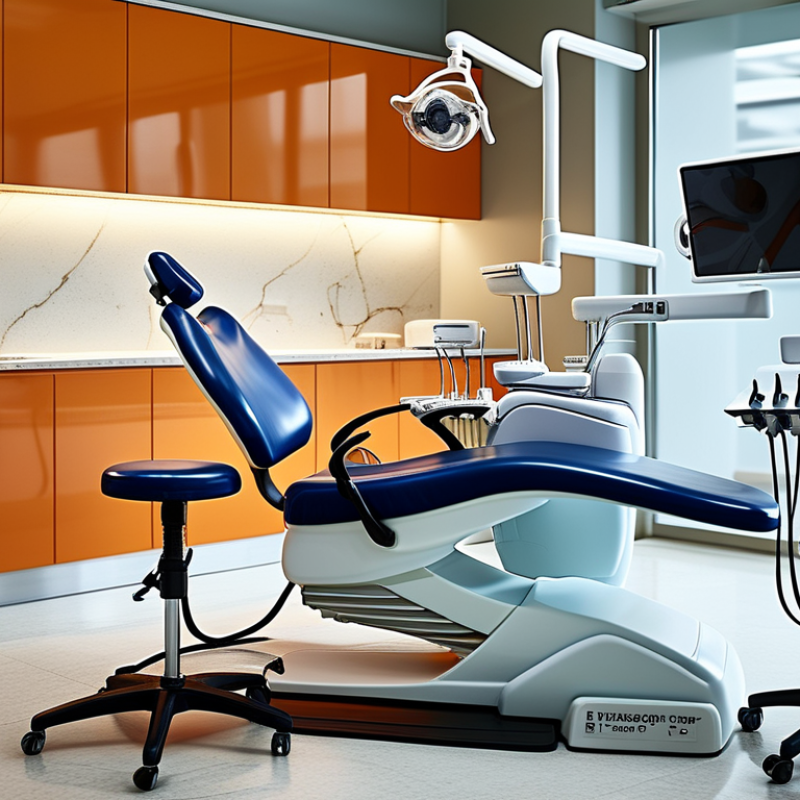
Understanding the Importance of Dental Equipment Maintenance
Dental equipment maintenance is crucial for ensuring peak performance in practice. According to the American Dental Association, improper maintenance can lead to reduced lifespan and increased breakdowns, which can cost dental offices significantly in repairs and lost time. Regular maintenance prevents equipment failure, ensuring that tools function efficiently and safely.
Tips: Schedule routine checks for equipment like handpieces and autoclaves. These items require consistent monitoring to maintain high functionality. Regular maintenance can reduce repair costs by up to 50%, according to industry reports.
Keeping a detailed log for each piece of equipment is essential. Knowing when each item was last serviced can help identify patterns and highlight potential issues before they become serious. Inadequate records often lead to inconsistent maintenance, resulting in equipment underperformance.
Tips: Train staff on proper use and basic maintenance. Educated staff help reduce the risks of equipment damage. Implementing a training program can enhance understanding of equipment needs, encouraging diligence in care practices.
Routine Cleaning Procedures for Dental Instruments
Routine cleaning is essential for maintaining dental instruments. Proper cleaning helps prevent the spread of infections and ensures that instruments remain functional. Start by thoroughly rinsing instruments immediately after use. This minimizes debris buildup and makes subsequent cleaning easier.
Using an ultrasonic cleaner can enhance the cleaning process. These devices help remove stubborn dirt and blood from instruments. It’s important to follow the manufacturer’s instructions on time and concentration. After cleaning, inspect each tool. Look for signs of wear, corrosion, or damage, as these can affect performance.
Don’t overlook the sterilization process. Make sure to follow established protocols for autoclaving. Instruments must be packaged properly to prevent contamination. Regularly review these cleaning procedures with your team. This helps ensure everyone is on the same page. Remember, even small lapses can lead to bigger issues in patient safety.
How to Maintain Dental Equipment for Peak Performance? - Routine Cleaning Procedures for Dental Instruments
| Instrument Type |
Cleaning Frequency |
Cleaning Method |
Maintenance Tips |
| Scalers |
After each use |
Ultrasonic cleaning |
Check for wear on tips |
| Burs |
After each use |
Steam sterilization |
Inspect for damage |
| Handpieces |
Daily |
Cleaning solution and air dry |
Lubricate as per manufacturer instructions |
| Exam Mirrors |
After each use |
Soapy water and rinse |
Store in a clean, dry area |
| Needles |
After each use |
Sharps disposal |
Replace regularly |
Regular Calibration and Performance Checks for Dental Equipment
Regular calibration and performance checks are crucial for dental equipment. These processes ensure that instruments function correctly and provide accurate results. Regular checks can help identify wear and tear, preventing potential failures. For instance, a dental X-ray machine may drift in calibration over time, leading to incorrect dosage and exposure. By performing checks every six months, practitioners can ensure optimal performance.
Incorporating a structured schedule for calibration is essential. Each piece of equipment requires specific attention. For example, handpieces need friction testing while autoclaves require temperature verification. Documentation of these checks creates a reliable history of performance. However, even the best-calibrated machines can fail unexpectedly. An unexpected malfunction can disrupt a busy practice and may impact patient care.
Staff training on how to spot irregularities in performance is vital. Small discrepancies can indicate larger issues. Encouraging ongoing education in equipment maintenance fosters a culture of safety. Regularly revisiting protocols helps to adapt to evolving standards. This thoughtful approach enhances both the longevity of dental tools and the overall effectiveness of the practice.
Storage and Organization Best Practices for Dental Tools
Organizing dental tools effectively is crucial for maintaining their peak performance. Proper storage helps in preventing damage and prolongs equipment life. Start by categorizing tools based on type and frequency of use. Keep everyday instruments easily accessible in top drawers.
Use trays or containers to separate items. Clear labels facilitate quick identification. It is essential to keep the workspace tidy. A cluttered environment may lead to accidents or tool misplacement. Regular checks on tool conditions help ensure reliability.
Creating a routine for cleaning storage areas is also vital. Dust and debris can accumulate, affecting equipment integrity. Reflecting on your current organization strategies can reveal areas for improvement. Consider whether tools are truly stored in a user-friendly manner. Engage the team in discussions about organization methods. Open conversations can lead to better practices.
Identifying Signs of Wear and When to Replace Dental Equipment
Identifying signs of wear in dental equipment is crucial for maintaining optimal performance. According to industry reports, nearly 30% of dental equipment failures are due to lack of regular checks.
Visibility can decrease significantly when instruments become dull or damaged. Performing routine inspections can help catch these issues early. Watch for loose parts, frayed cords, or rust on metal surfaces.
These are clear indicators that equipment may need replacement.
Replacing equipment at the right time can save costs in the long run. Reports suggest that outdated tools can lead to inefficiencies.
Equipment that is not functioning properly not only impacts patient care but can also harm the practice’s reputation. Studies indicate that 40% of practices experience a decline in client trust due to inconsistent instrument performance.
Observing these signs continuously allows dental professionals to make informed decisions about when to invest in new equipment. Regular training on this topic ensures staff is aware of maintenance needs.
Conclusion
Effective maintenance of dental equipment is crucial for ensuring peak performance and longevity. Understanding the significance of dental equipment maintenance begins with routine cleaning procedures for instruments, which not only ensures hygiene but also helps in identifying potential issues early. Regular calibration and performance checks are essential in maintaining the functionality and accuracy of dental tools, thus preventing costly repairs or replacements down the line.
Additionally, employing best practices for the storage and organization of dental tools can streamline workflows and reduce the risk of damage. It is equally important to be vigilant for signs of wear and know when to replace dental equipment to maintain high standards of patient care. By following these guidelines on how to maintain dental equipment, dental professionals can ensure their tools remain in optimal condition, facilitating effective practice and enhancing patient outcomes.

 Derma Medical