In the dental profession, patient comfort is paramount. Understanding how to use a dental chair properly can significantly enhance the experience for both patients and practitioners. Dr. Emily Carter, a renowned dental ergonomist, emphasizes, "A well-adjusted chair can transform a patient's anxiety into comfort."
Proper chair usage begins with adjusting the height and angle to accommodate patients of various sizes. This is essential for preventing strain on both the patient and the dentist. Small adjustments can make a big difference, yet many practitioners overlook this detail.
Moreover, clear communication with patients about how the chair functions can alleviate fears. It’s vital to involve patients in the process, allowing them to express their comfort levels throughout the procedure. Reflecting on these practices can lead to better patient experiences and reduce discomfort during treatments. Ultimately, mastering how to use a dental chair properly is a blend of skill, attention, and empathy.
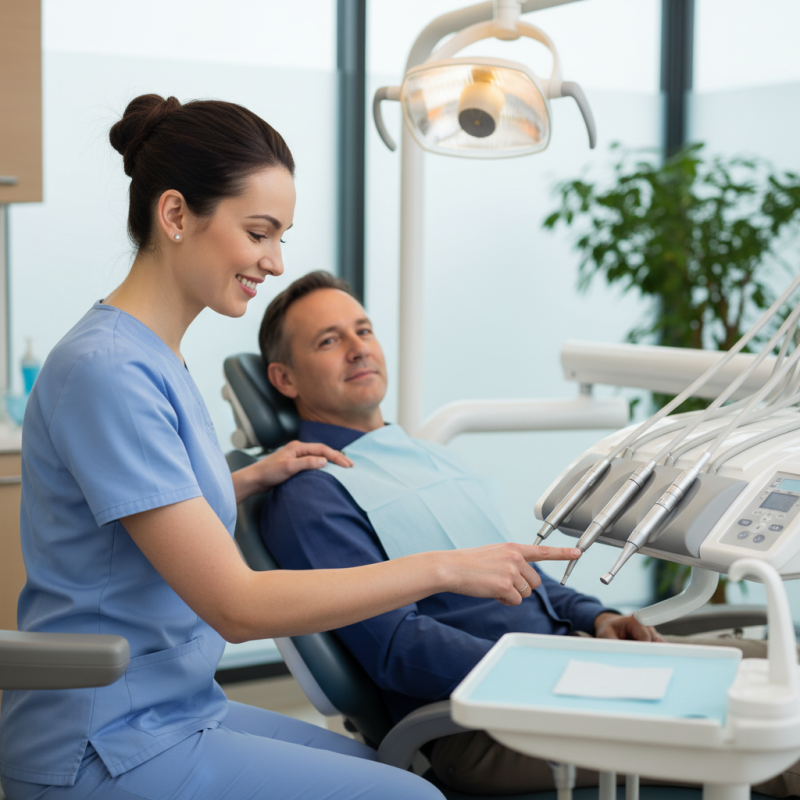
In understanding the components of a dental chair, patient comfort is paramount. A quality dental chair typically includes adjustable backrests, armrests, and headrests. These features allow for easy customization, accommodating the unique needs of each patient. Proper positioning can alleviate stress and reduce anxiety during procedures. When patients feel comfortable, their cooperation improves.
The seat's material also plays a crucial role. Soft, durable upholstery is vital for extended sessions. It must be easy to clean and maintain to ensure hygiene. The chair should support the patient’s body, reducing pressure points. However, some dental practices overlook the importance of regular maintenance. Worn-out padding or a malfunctioning recline feature can detract from patient experience. Dentists must regularly assess their equipment for wear and functionality.
Lighting and visual elements are also significant. Adequate overhead lighting is necessary for precise work, yet it should not blind or overwhelm patients. Providing patients with a calming view can distract from their anxiety. Incorporating soothing colors and artwork may enhance the overall atmosphere. However, too much focus on aesthetics can lead to neglect of technical efficiency. It's a balance that requires continuous evaluation and refinement.
When adjusting a dental chair, the goal is to enhance patient comfort. Studies show that a comfortable position can reduce anxiety and improve overall treatment outcomes. Proper chair height is crucial. Ideally, the chair should be positioned at the dentist’s working height, allowing easy access without straining the provider’s back.
Backrest inclination plays a significant role as well. Research indicates that a 30-degree tilt is generally optimal for most patients. This angle helps maintain lumbar support while ensuring the dentist has a clear view of the oral cavity. However, dentists often face challenges in fine-tuning this angle for different body types. A rigid approach can lead to discomfort for certain patients, making adaptability vital.
Another factor to consider is legroom. A chair that feels spacious can ease tension. Studies reveal that cramped seating can lead to restless patients. Regular feedback from patients can inform adjustments. Not all adjustments yield perfect results on the first try. Continual learning and adaptation improve the dentist-patient experience significantly, emphasizing the art of chair adjustment in dental practice.
Creating a comfortable environment for patients is essential in dental practices. Accessories play a significant role in enhancing patient comfort during procedures. For instance, adjustable headrests can support patients' necks properly. This minimizes strain and fatigue, allowing them to relax. Soft, cushioned armrests can also make a difference. Patients often feel tense during treatments; comfortable armrests help alleviate some of that pressure.
The use of blankets and padded covers is another valuable accessory. These items provide warmth and security, making patients feel more at ease. Additionally, incorporating noise-canceling headphones can drown out the sounds of dental equipment. This simple addition can create a more soothing atmosphere. Patients often recall feeling comfortable or anxious based on the environment.
However, it's crucial to regularly assess these accessories. Over time, wear and tear can impact their effectiveness. Regular checks ensure that every piece remains hygienic and functional. This attention to detail reflects a practice's commitment to patient care. Ignoring these aspects may lead to uncomfortable experiences, ultimately affecting patient satisfaction.
| Accessory | Purpose | Materials | Benefits |
|---|---|---|---|
| Headrest | Supports patient's head and neck | Memory foam, vinyl | Increases comfort, reduces strain |
| Armrests | Provides support for arms | Plastic, padded coverings | Helps in relaxation, prevents fatigue |
| Backrest Adjustments | Enhances back support | Adjustable mechanisms, upholstery | Customizes position for comfort |
| Footrest | Supports legs during treatment | Rigid plastic, rubber padding | Improves circulation, reduces leg fatigue |
| Neck Roll | Supports neck during procedures | Soft foam, fabric cover | Prevents neck strain, enhances relaxation |
Maintaining cleanliness and hygiene of the dental chair is crucial for patient comfort and safety. Every patient deserves a sanitized environment. Regular cleaning prevents the spread of bacteria and ensures that patients feel at ease during their appointments. Wiping down the chair with disinfectant after each use is essential. Focus on areas that often come into contact with the patient, such as armrests, headrests, and the seat.
Incorporating a thorough cleaning routine can be time-consuming, yet it's necessary. Consider creating a checklist. This helps dental staff remember which areas to clean. Use disposable barriers to cover armrests and the chair’s surfaces. These barriers can greatly reduce the risk of contamination. Remember that sometimes, despite best efforts, you may find missed spots during routine checks. Recognizing these oversights is part of improving hygiene practices.
Lastly, staff training on proper cleaning techniques contributes to a cleaner environment. Make sure everyone understands the importance of hygiene. Gather feedback from staff about the cleaning process. Reflection on current methods can reveal areas for improvement. Staying proactive about cleanliness creates a positive experience for both patients and providers.
When it comes to patient comfort, communication is key. Dentists must engage patients in discussions about their preferences. Ask simple questions about their comfort needs. Use open-ended prompts to gauge their worries. This can create a more relaxed environment.
Tips: Encourage patients to express any anxiety. Let them know their concerns are valid. This can strengthen trust and open communication.
Additionally, consider body language. Pay attention to patients’ non-verbal cues. If they seem tense, offer reassurance. A gentle touch can make a difference in how comfortable they feel.
Tips: Make use of comforting phrases. A simple “You’re doing great” can ease nerves. Always check in during procedures; this lets patients feel in control.
Empathy plays a vital role in these interactions. Each patient is unique, and their comfort levels will vary. Recognizing this can lead to better experiences and overall satisfaction during dental visits.
: Adjustable backrests, armrests, and headrests are essential. They allow for customization to meet patient needs.
Soft, durable upholstery is vital. It should be easy to clean and reduce pressure points during long sessions.
Adequate lighting is needed for precision. It should be bright but not overwhelming.
Optimal chair height reduces strain on the dentist and improves patient access. It's crucial for both comfort and efficiency.
A 30-degree tilt is generally ideal. However, adaptability is needed for different body types to prevent discomfort.
Engage patients in open discussions. Ask about their preferences and listen to their concerns to ease anxiety.
Worn-out padding or malfunctions can negatively affect patient experience. Regular assessments ensure equipment is functional.
Observing body language helps dentists gauge tension. Offering reassurance can significantly improve how comfortable patients feel.
Continual learning and feedback are necessary. Not all adjustments yield perfect results initially; patience and adaptability are essential.
Recognizing that each patient has unique needs can lead to better experiences. Tailoring interactions shows understanding and enhances satisfaction.
In the article "How to Use a Dental Chair Properly for Best Patient Comfort," the importance of the dental chair's components and their influence on patient comfort is emphasized. To ensure optimal support, practitioners need to adjust the chair position according to individual patient needs, which can significantly enhance their experience during procedures. Furthermore, utilizing additional accessories such as headrests and cushions can provide extra comfort, making the dental visit more pleasant.
Another crucial aspect discussed is the maintenance of cleanliness and hygiene of the dental chair, which is essential for patient safety and comfort. Lastly, effective communication with patients about their comfort preferences can help address any concerns they may have and improve overall satisfaction. Understanding how to use a dental chair properly is vital for creating a welcoming environment that prioritizes patient comfort throughout their dental care journey.

Derma Medical