Why Is Ergonomic Seating Important for Dentists?

Time:2026-09-06 Author:Mason
0%

Why is ergonomic seating important for dentists? The answer begins with the working posture dentists repeat every day. A clinician may lean toward a molar, rotate the neck, and hold one shoulder higher for several minutes. Repeated thousands of times, these small stresses can become persistent pain.

A 2022 systematic review in the International Journal of Environmental Research and Public Health reported musculoskeletal symptoms in more than 60% of dental professionals across many included studies. Neck, shoulder, and lower-back complaints appeared frequently. The findings are not perfectly uniform, because studies used different countries, samples, and questionnaires. That limitation deserves attention. Still, the pattern is difficult to ignore.

Professional guidance supports prevention through neutral posture, adjustable equipment, and regular movement. The FDI World Dental Federation identifies occupational musculoskeletal strain as an important concern in dentistry. NIOSH also links awkward, static postures with work-related musculoskeletal disorders. Ergonomic seating can support these goals by adjusting lumbar support, seat height, tilt, and patient access. The dentist can stay closer to upright alignment while keeping both feet stable and the operating field visible.

Small details matter. A poorly fitted stool can press behind the thighs. A weak backrest may leave the lower spine unsupported during a long restoration. No chair fixes every ergonomic problem. It cannot replace magnification, correct positioning, scheduled microbreaks, or clinical training. However, suitable seating reduces avoidable strain and may help dentists work with greater comfort, precision, and consistency. That is why this topic deserves practical, evidence-informed discussion rather than another generic equipment claim.
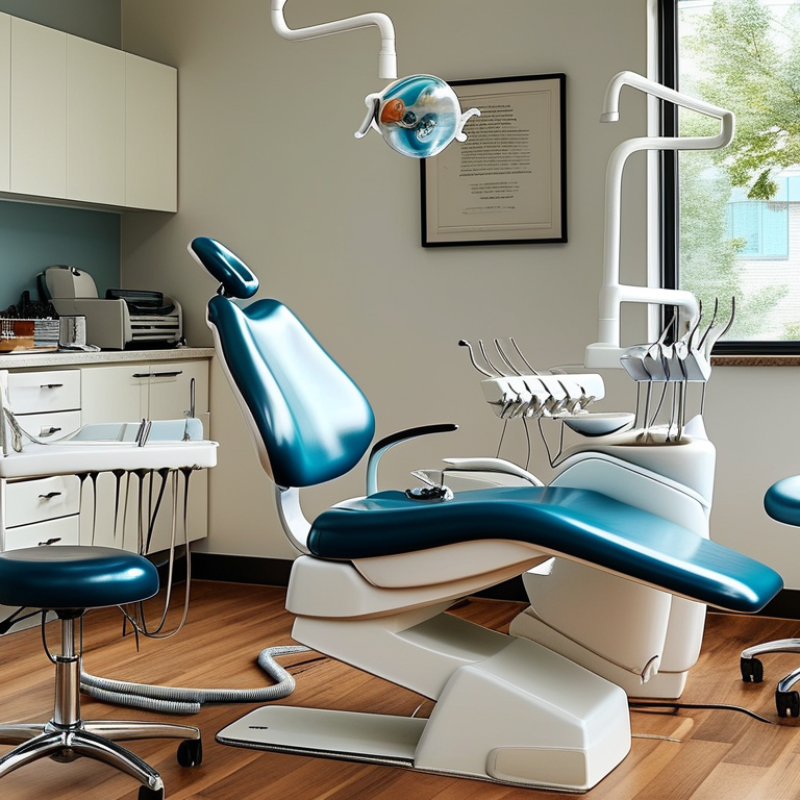
Why Is Ergonomic Seating Important for Dentists?

Definition and Role of Ergonomic Seating in Dental Practice

Ergonomic seating is a clinical tool, not simply a comfortable chair. It supports the dentist’s pelvis, spine, shoulders, and feet during precise work. Its role is to keep the body balanced while allowing close access to the patient. Adjustable height, lumbar support, a stable base, and smooth movement are essential features. Small changes matter. A seat that is too high can leave the feet unsupported and raise shoulder tension. A low seat may force the dentist to bend forward repeatedly.

The National Institute for Occupational Safety and Health identifies awkward posture, repetition, and force as major musculoskeletal risk factors. These risks appear frequently in dentistry. A 2023 systematic review in the International Journal of Environmental Research and Public Health found that reported one-year musculoskeletal disorder prevalence among dentists often exceeded 60%. Results varied by body region, country, and study design. That variation deserves caution. It shows a serious pattern, not one universal figure.

In practice, ergonomic seating should let the dentist keep both feet grounded, elbows near the body, and the head slightly inclined. The assistant’s position also matters. Poor seat design can still create pressure behind the knees, restrict movement, or encourage leaning. Seating should therefore be tested beside the delivery system, operating light, and patient chair. A short trial is useful. Yet ergonomic seating cannot repair every problem. Without scheduled microbreaks, position changes, and practical training, even an excellent chair may support an unhealthy routine. (NIOSH, Elements of Ergonomics Programs; IJERPH, 2023 systematic review)

How Proper Seating Supports Dentists’ Posture and Movement

Why Is Ergonomic Seating Important for Dentists?

How Proper Seating Supports Dentists’ Posture and Movement

Ergonomic seating helps dentists maintain balance while working inside a small oral field. A stable pelvis can reduce unnecessary leaning, neck flexion, and shoulder elevation. NIOSH identifies awkward postures and static muscle loading as major contributors to work-related musculoskeletal disorders. These risks are common during prolonged dental procedures.

A 2022 systematic review in the International Journal of Environmental Research and Public Health reported a high prevalence of musculoskeletal symptoms among dental professionals, often exceeding 60% in specific body regions. Proper seating cannot remove every strain. It can, however, make movement more controlled. Adjustable height, firm pelvic support, and enough leg clearance help dentists shift position without twisting. The goal is not rigid posture. Perfect posture is unrealistic. Frequent, small movements may matter more.

Tips: Keep hips slightly higher than knees. Place both feet firmly on the floor. Adjust the seat before the patient arrives. Move the chair and patient, not only your spine. Take brief microbreaks between procedures. A 30-second reset can reveal shoulder tension early. Seating design is only one part of prevention, and individual fit still requires professional assessment.

Health Risks Linked to Poor Seating During Dental Procedures

Why Is Ergonomic Seating Important for Dentists?

Poor seating can turn a precise procedure into a daily physical burden. Dentists often lean forward, rotate their necks, and raise one shoulder for extended periods. These static postures restrict blood flow and overload the lower back, neck, and upper limbs. The discomfort may begin as stiffness. Later, it can affect grip, concentration, and treatment accuracy.

A systematic review by Hayes and colleagues, published in the International Journal of Dental Hygiene, reported musculoskeletal symptom rates between 64% and 93% among dental professionals. The variation depended on body region, workload, and study design. That range is difficult to ignore. NIOSH identifies prolonged static posture, repetition, and awkward joint angles as major ergonomic risk factors. During a long procedure, even a small seat-height error matters. A dentist may slide forward, twist toward the patient, or support one arm without noticing.

Good seating should allow stable foot contact, neutral hips, and relaxed shoulders. The backrest should support movement without forcing a rigid position. Short posture changes also matter. Standing briefly between patients can reduce accumulated strain, although it cannot repair poor equipment or excessive scheduling. This is where clinical routines often fall short. Dental teams may adjust the operating light carefully, yet overlook the stool. A practical assessment should examine the dentist’s actual working posture, not only the chair’s specifications. Pain is not a normal professional requirement.

Why Is Ergonomic Seating Important for Dentists? - Health Risks Linked to Poor Seating During Dental Procedures

Health or Performance Dimension How Poor Seating Contributes Potential Effect During or After Procedures Evidence-Based Ergonomic Consideration Practical Seating Check
Neck and cervical spine A seat that is too low, poorly adjusted, or unable to support stable positioning can encourage prolonged forward-head posture and neck flexion. Neck stiffness, muscle fatigue, headaches, and an increased risk of work-related neck discomfort. Ergonomic assessment methods commonly identify sustained neck flexion beyond approximately 20 degrees as a posture requiring closer review, especially when maintained for long periods. The head should remain as close as practical to a neutral position, with the patient and operating field positioned to reduce repeated downward bending.
Shoulders and upper back Insufficient seat height, limited adjustability, or excessive reaching may cause shoulder elevation, arm abduction, and static muscle loading. Shoulder tension, upper-back pain, reduced endurance, and discomfort around the scapular region. Static and awkward shoulder postures are recognized occupational risk factors for work-related musculoskeletal symptoms. Keep elbows close to the body where possible, avoid sustained shoulder elevation, and place frequently used instruments within easy reach.
Lower back and pelvis A seat without adequate lumbar support or pelvic stability may promote slouching, excessive trunk flexion, or prolonged asymmetrical sitting. Low-back discomfort, reduced postural endurance, and greater difficulty maintaining a stable working position. Sustained trunk flexion, twisting, and unsupported sitting are established contributors to physical workload and low-back symptoms. The pelvis should remain stable, the lower back supported, and the torso should not need to rotate repeatedly to access the treatment area.
Hips, legs, and circulation A seat that is too high, too low, or poorly shaped can create pressure behind the knees or leave the feet unsupported. Hip discomfort, leg fatigue, pressure-related discomfort, and reduced sitting tolerance during lengthy appointments. A stable base of support and appropriate seat depth help distribute body weight and reduce localized pressure. Feet should be supported, the thighs should not be compressed by the seat edge, and the seat depth should allow contact with the backrest without knee pressure.
Visual accuracy and precision Poor seating can force the dentist to move the head and trunk closer to the field instead of adjusting the patient, lighting, or working position. Visual fatigue, reduced comfort, slower repositioning, and greater reliance on awkward postures during fine motor tasks. Ergonomic positioning aims to bring the visual field into a workable zone while limiting sustained neck and trunk flexion. Adjust the seat and patient position before leaning forward; use adequate illumination and magnification when clinically appropriate.
Cumulative musculoskeletal risk Repeated exposure to awkward posture, static loading, forceful hand activity, and insufficient recovery can accumulate across the working day. Persistent pain, reduced work capacity, absenteeism, and possible progression of work-related musculoskeletal disorders. Risk is influenced by the combination of posture, duration, repetition, force, individual factors, and recovery time rather than by one posture alone. Use adjustable seating, alternate working positions, take brief movement breaks, and reassess the workstation when discomfort persists.
Long-term occupational sustainability A non-adjustable or poorly matched seat may make efficient neutral posture difficult to maintain throughout different procedures and operator body sizes. More frequent discomfort, reduced concentration, and difficulty sustaining precise clinical work over a full schedule. Ergonomic interventions are most effective when equipment adjustment is combined with posture education, task variation, and regular review. Select seating with adjustable height, lumbar support, stable mobility, appropriate seat depth, and enough range to fit the operator and procedure.
Interpretation: Ergonomic seating reduces exposure to sustained awkward postures, but it does not eliminate risk by itself. The best results come from combining adjustable seating with appropriate patient positioning, instrument placement, task variation, and regular movement.
Evidence basis: General principles from occupational ergonomics, musculoskeletal-disorder prevention guidance, and widely used posture-assessment methods. Individual symptoms should be assessed by a qualified healthcare professional.

Key Features of an Ergonomic Dental Stool

During a long procedure, a dentist may lean forward for hours with little movement. An ergonomic dental stool helps maintain a more neutral posture while supporting precise handwork. The key is adjustability. Seat height should let the thighs stay nearly level, with feet resting firmly on the floor or foot ring. This reduces pressure around the hips and lower back.

A contoured seat can distribute body weight without restricting movement. A supportive backrest should follow the lower spine and move naturally as the dentist reaches. Some clinicians prefer a saddle-style seat, while others need a wider cushion. Fit is personal. A stable five-point base improves balance during small shifts. Smooth casters matter too. They should roll easily but not slide unexpectedly near equipment. A foot ring can provide another resting position during extended treatments.

Controls should be reachable without twisting. Breathable, wipeable upholstery supports daily hygiene and comfort. Seams, hinges, and narrow gaps deserve attention because they can collect dust or disinfectant residue. In practice, an extremely adjustable stool may feel awkward at first. A lower backrest may also suit one dentist but irritate another. Test the stool while simulating a working posture, not while sitting casually. Watch whether the shoulders relax, the elbows stay close, and the pelvis remains stable. Small adjustments often matter more than impressive-looking features.

How Ergonomic Seating Improves Comfort, Focus, and Work Efficiency

Dentists spend long hours seated beside patients, often leaning toward a small treatment area. An ergonomic chair supports a neutral spine and keeps the pelvis stable. This reduces unnecessary pressure on the lower back, neck, and shoulders. Small adjustments matter. Seat height, backrest support, and controlled movement can change how the body feels after a busy clinic day. In daily practice, comfort is not a luxury; it helps clinicians maintain consistent working posture.

Better posture can also sharpen focus. When a dentist is not constantly shifting to ease discomfort, attention stays on the patient, instruments, and treatment field. Stable seating supports smoother hand movements during precise procedures. It may also reduce pauses caused by fatigue. Clinical ergonomics guidance often recommends adjustable seating that allows close access without excessive bending or twisting. The right position should support the work, not force the body to compensate.

Efficiency improves when movement becomes deliberate. A dentist can reach instruments more naturally and maintain a clearer line of sight. Dental assistants may also coordinate more easily when the operator’s position remains predictable. Yet ergonomic seating is not a complete solution. Even experienced clinicians sometimes ignore adjustments during busy appointments. I have noticed that “comfortable” settings can still encourage poor posture if they are never reassessed. Short movement breaks, proper training, and regular workstation reviews remain necessary. Productivity should never replace physical awareness.

Why Is Ergonomic Seating Important for Dentists?

Ergonomic seating helps dentists maintain a neutral working posture, reduce unnecessary muscle loading, sustain visual attention, and work more efficiently during prolonged procedures.

The chart shows commonly recommended target ranges for seated clinical work. Adjustable seating can help dentists keep the hips slightly higher than the knees, maintain relaxed elbow positioning, support the lower back, and limit excessive forward trunk flexion. These conditions are associated with better comfort, sustained concentration, and reduced fatigue. Target ranges are based on general occupational ergonomics guidance from OSHA and NIOSH and should be adapted to the individual clinician, patient position, and procedure.

FAQS

: Why is ergonomic seating important in dental practice?

: It supports the pelvis, spine, shoulders, and feet during precise work. It helps dentists stay balanced near the patient. Comfort alone is not enough.

What features should an ergonomic dental seat include?

Look for adjustable height, lumbar support, a stable base, and smooth movement. The seat should allow both feet to rest firmly on the floor. It should not force rigid posture.

How can poor seating affect a dentist’s body?

Poor seating may encourage forward bending, neck rotation, and raised shoulders. These positions can increase strain in the back, neck, and arms. Stiffness may appear first. Grip and concentration can suffer later.

How should dentists adjust seat height?

Keep the hips slightly higher than the knees. Place both feet firmly on the floor. Avoid pressure behind the knees. A small height error can change the whole posture.

Does ergonomic seating prevent all work-related discomfort?

No. A good chair cannot fix every problem. Dentists still need microbreaks, position changes, and practical training. Even excellent support can fail during an unhealthy routine.

How often should dentists change position?

Small movements should happen regularly during procedures. A brief thirty-second reset may reveal shoulder tension early. Standing briefly between patients can also help. It is simple, but often forgotten.

Should the patient chair and equipment affect seat selection?

Yes. Test the seat beside the patient chair, operating light, and delivery system. The dentist should move the equipment and patient when possible. The spine should not do all the adjusting.

Can one seat fit every dental professional?

No. Body shape, working style, and procedure length differ. Individual fitting is important. Specifications alone may look convincing, but real posture matters more. That part is easy to overlook.

What posture should dentists aim for while working?

Keep the pelvis stable, elbows near the body, and shoulders relaxed. Let the head incline slightly without prolonged neck bending. Frequent small adjustments are more realistic than perfect posture. Perfect posture is not realistic.

Conclusion

Ergonomic seating is an essential part of a healthy and efficient dental practice. When considering why is ergonomic seating important for dentists, it is helpful to focus on how proper seating supports posture, balance, and controlled movement during clinical procedures. A well-designed dental stool helps dentists maintain a neutral spinal position, keep their feet stable, and adjust their height and support according to the treatment area. This reduces unnecessary bending, twisting, and reaching while allowing smoother movement around the patient.

Poor seating may contribute to back pain, neck and shoulder tension, leg fatigue, and reduced concentration over time. In contrast, an ergonomic stool with adjustable height, suitable lumbar support, a stable base, and comfortable padding can improve physical comfort and focus. By reducing discomfort and supporting consistent posture, ergonomic seating helps dentists work more accurately, remain attentive for longer periods, and improve overall work efficiency. It also supports long-term professional health by making daily procedures less physically demanding.

Mason

Mason

Mason is a seasoned marketing professional with a deep expertise in the company's offerings and a passion for driving brand awareness. With a strong background in digital marketing strategies, he has an innate ability to connect with diverse audiences and effectively communicate product benefits.......