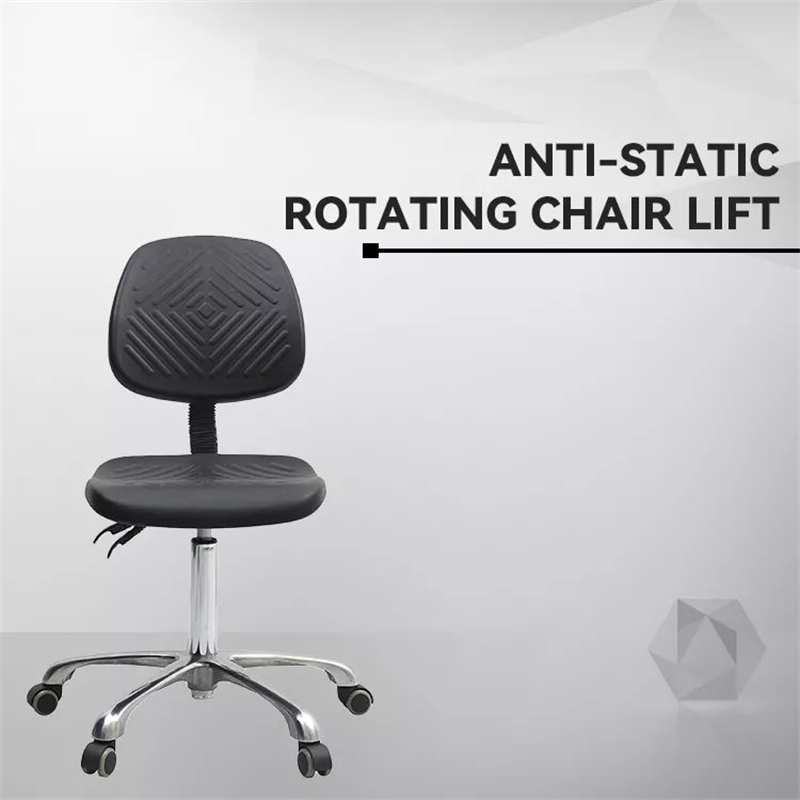
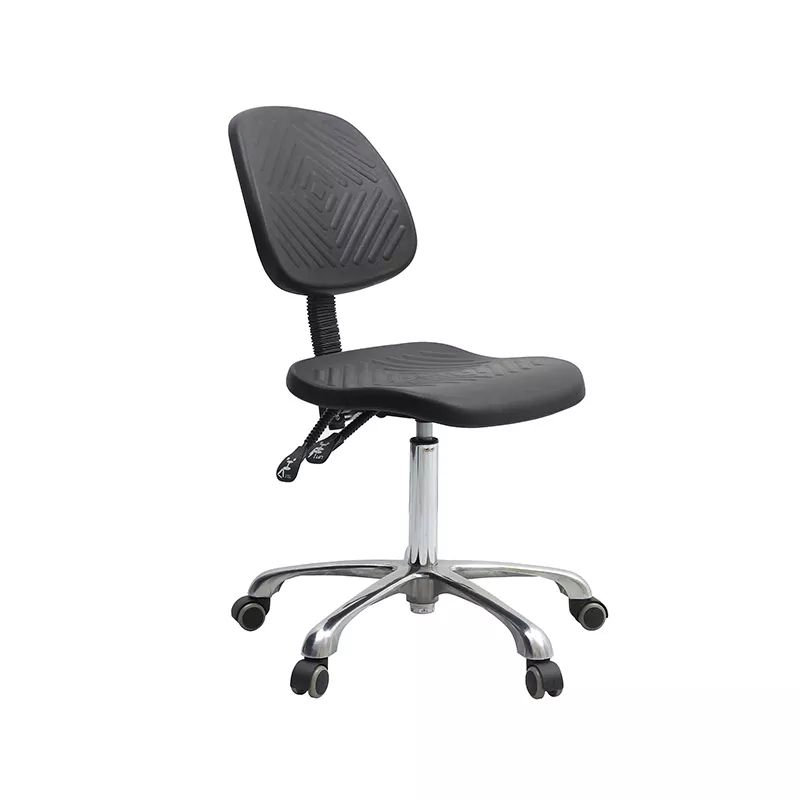
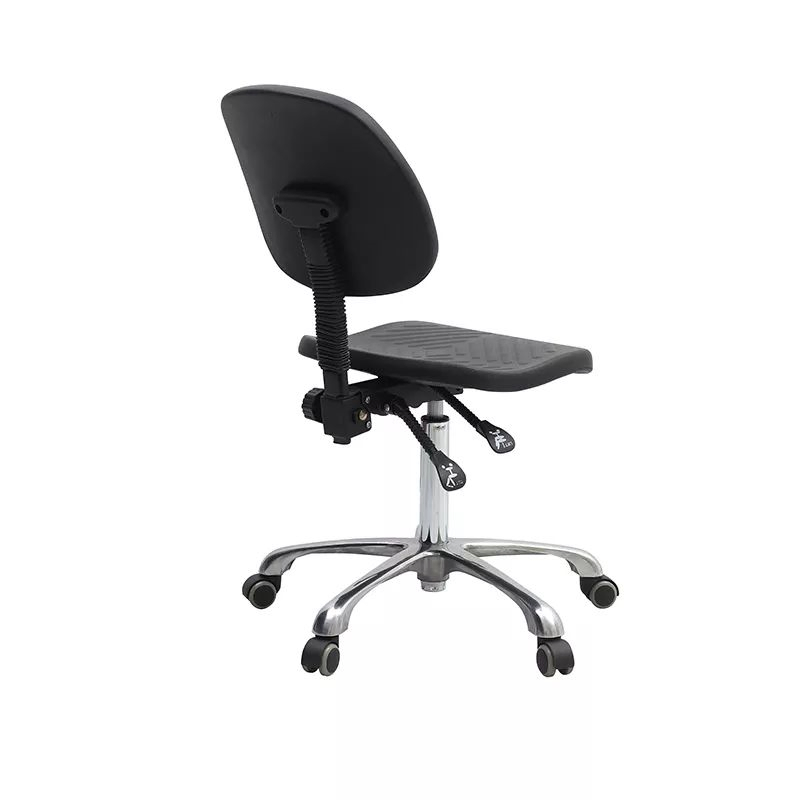
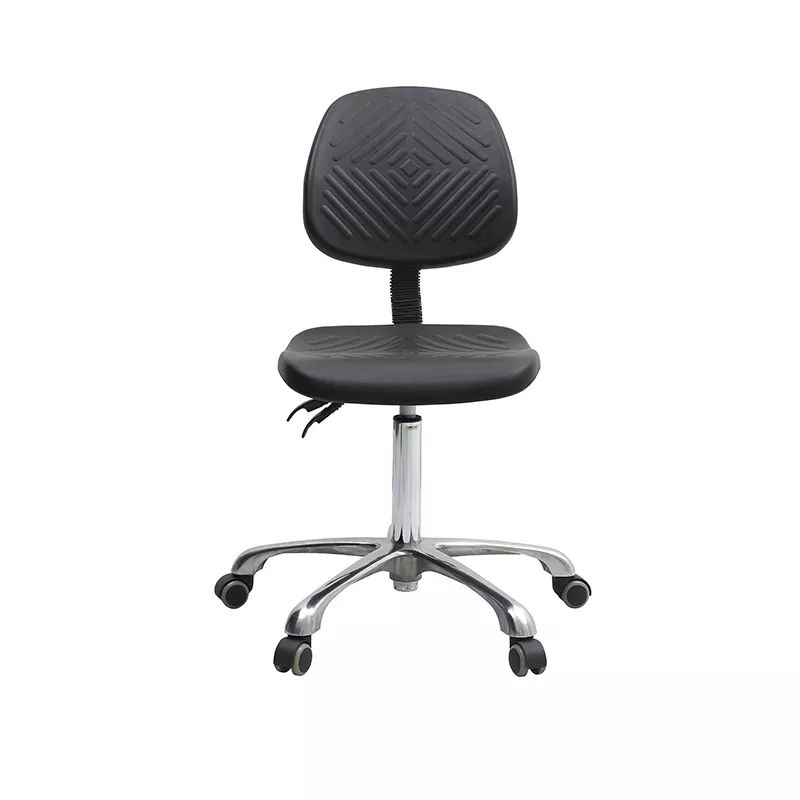
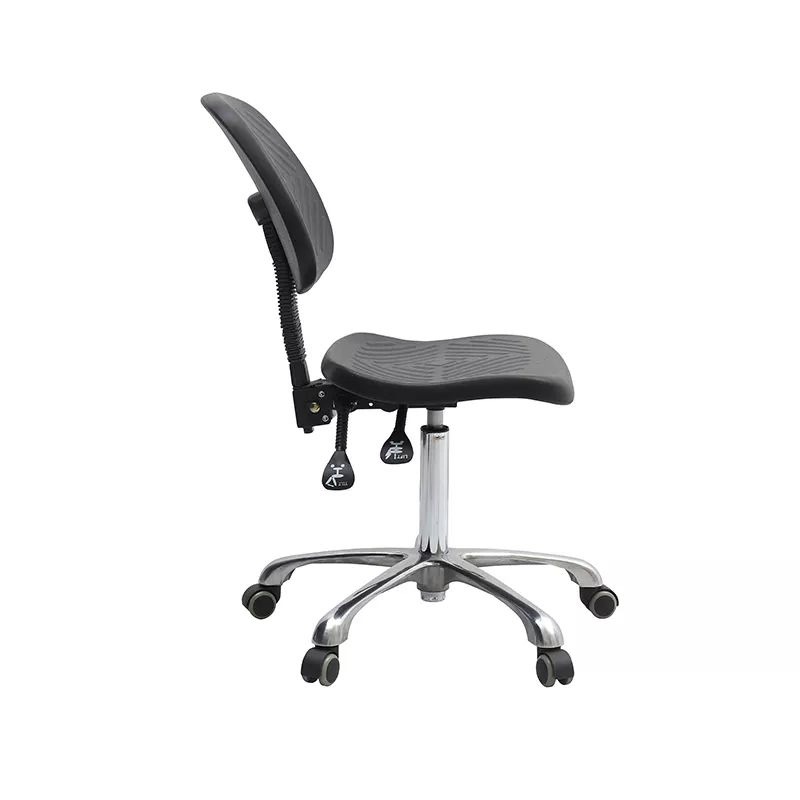
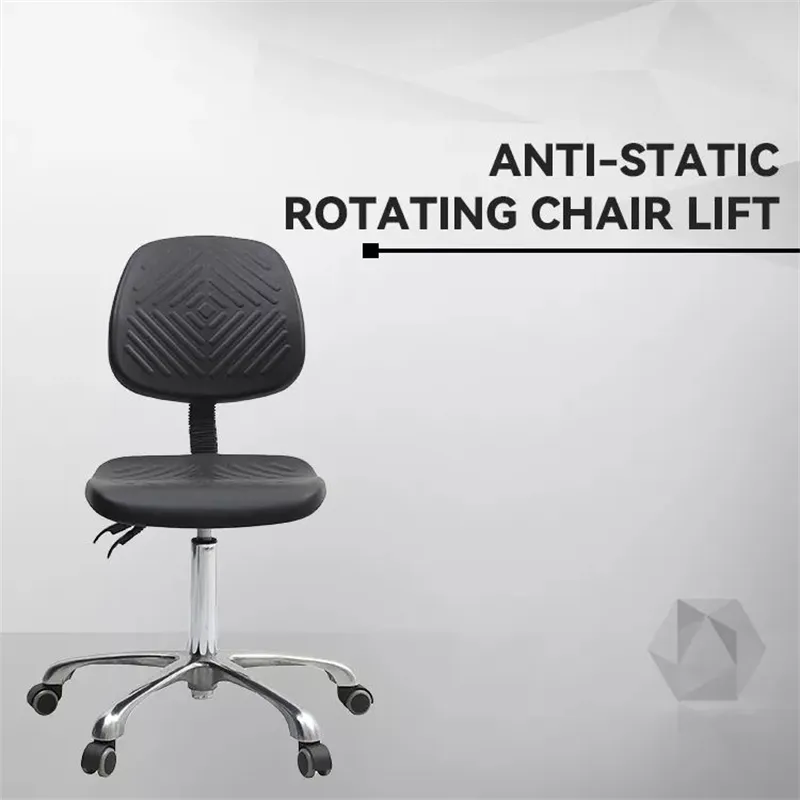
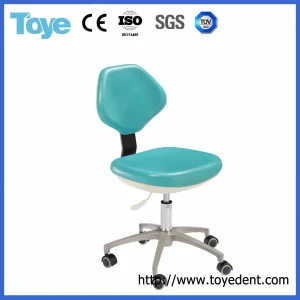
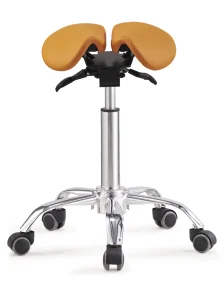
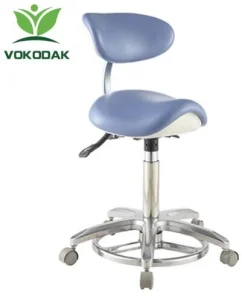
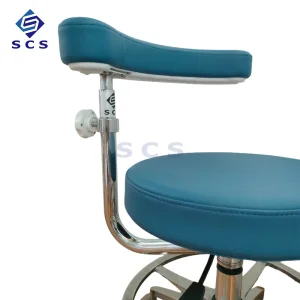
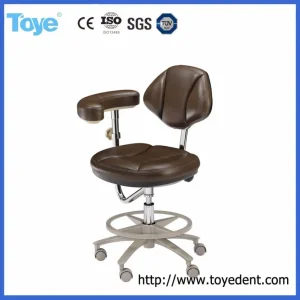
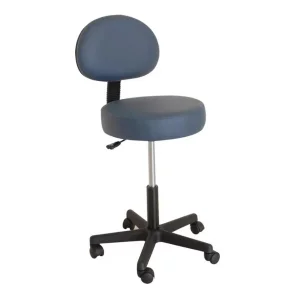
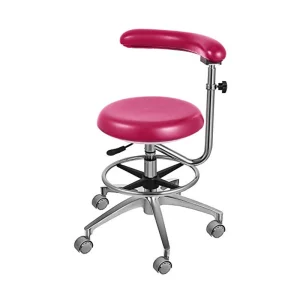
Durable Adjustable Lab Stool ESD Chair Dental Laboratory Furniture

Customization: Available
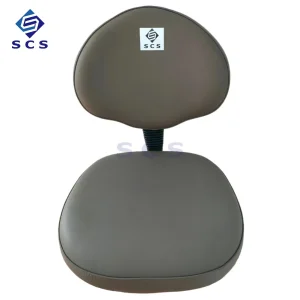
Cushion Material: Leather
Legs Material: Stainless Steel

Product Description

i

Basic Information

Model NO.
APL-LS-003
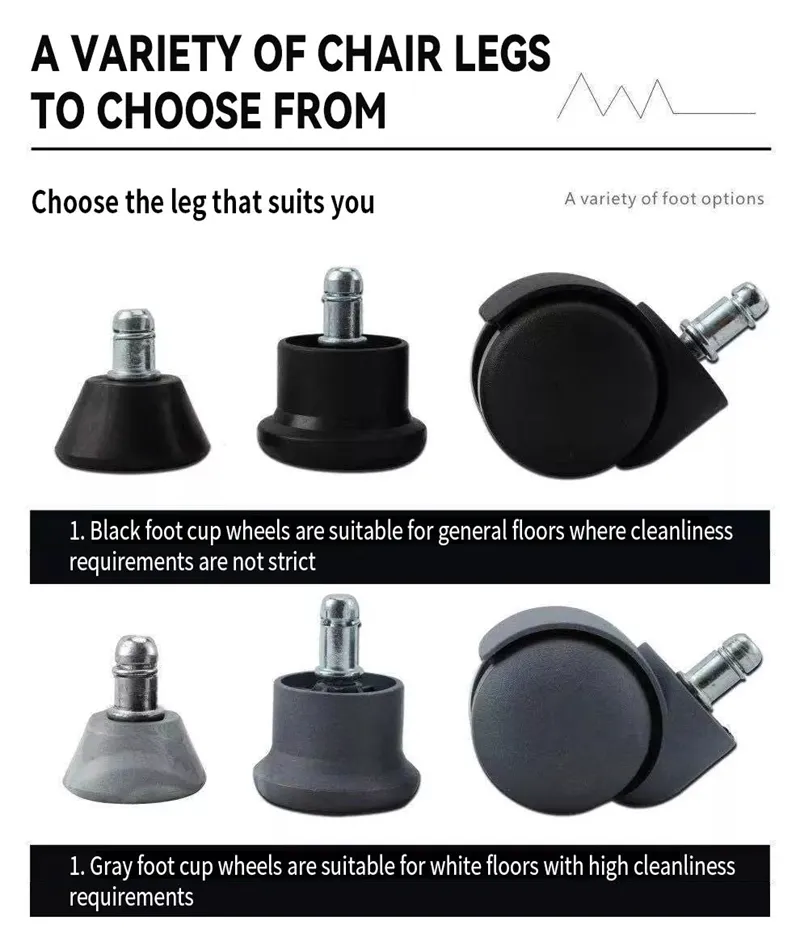
Wheel
With Wheel
Wheel Type
Swivel Casters
Height
Adjustable
Type
Stool
Usage
Hospital, School, Laboratory, Research Institute
Color
Silver
Feature
Adjustable/Swiveling/Backless
Warranty
2 Years
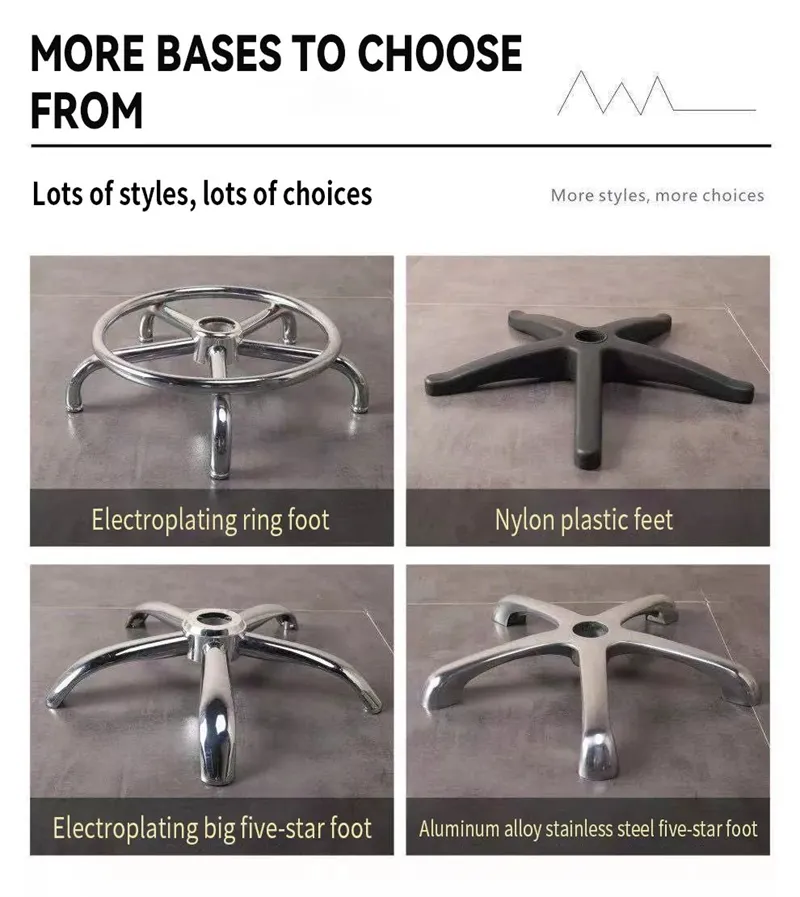
Base
Aluminium Alloy Five Star Base
Certification
ISO9001 ISO14001 CE
Specification
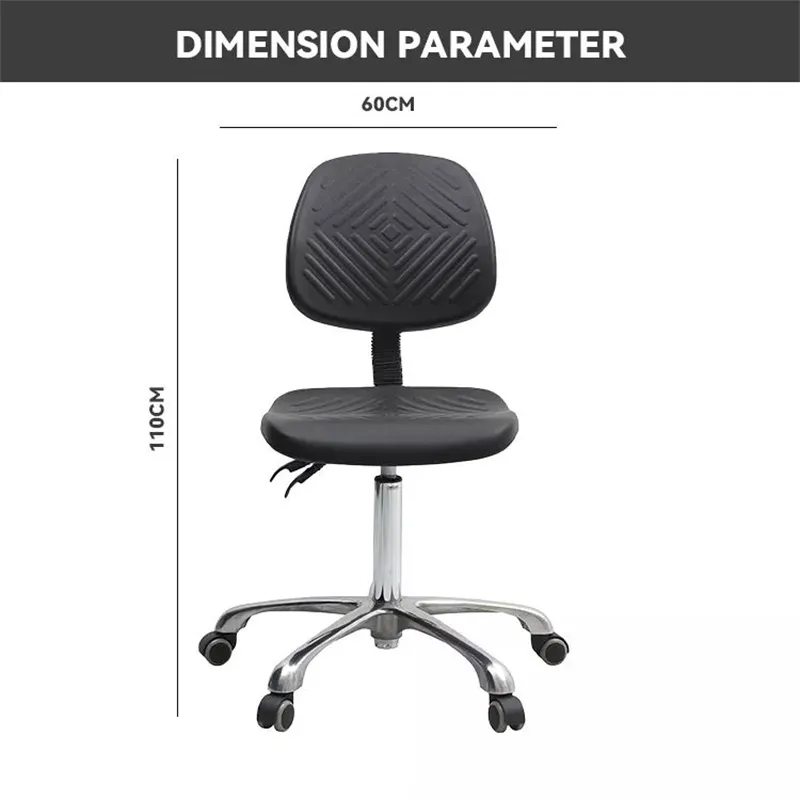
60*60*90-110cm

Product Description

Ergonomics in the lab is just as important as in the office, the factory or any other facility. It is the main contributor to your efficiency, attitude to work, health, concentration and posture. A high quality, comfortable and well-designed lab stool is extremely important when considering your lab furnishings.

The Perfect Sitting Position
Sit with your feet flat on the floor or on a footrest
Have a 100-110° reclining position (if applicable)
Push your hips as far back into the chair as possible
Keep your knees at 90° or less (at hip level or higher)
Use back or lumbar support where possible
📋

Product Parameters

Model Number Description Adjustable Height Seat Diameter
APL-PP-140W/CPP seat+caster wheels/foot-cushions44-56 cm32 cm
APL-PU-140W/CPU soft seat+caster wheels/ foot-cushions43-56 cm32 cm
APL-CHP-140W/CChina pattern soft seat+caster wheels44-57 cm32 cm
APL-LE-140W/CLeather soft seat+caster wheels47-62 cm32 cm
APL-SS-140W/CStainless steel seat+caster wheels43-56 cm29 cm
📷

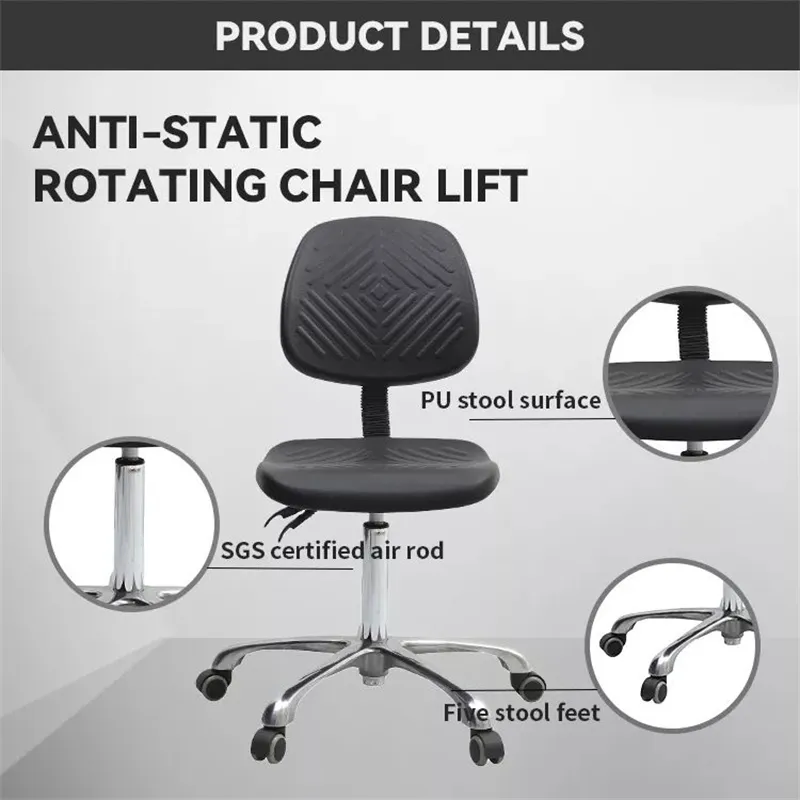
Detailed Photos

🛡

Certifications

Certifications
💡

Laboratory Seating Guide

Laboratory chairs and stools are distinguished by their features. The most important function is to facilitate good posture and the correct seat height in the work environment for prolonged periods.

Why choose ergonomic seating?
Height: Optimal seat height allows feet to be flat on the floor.
Support: Proper seat width/depth alleviates pressure behind knees.
Tilt: Seat tilt keeps the pelvis in a neutral position.
Alignment: Backrest and lumbar support prevent slumping.
Mobility: Swivel features and casters aid manoeuvrability.

Lab Chairs vs. Office Chairs

Height: Lab chairs are designed for various workstations like hoods and high benches, offering a wider pneumatic range than standard office chairs.

Backrest: Lab chairs feature vertically and horizontally adjustable backrests specifically for tasks like pipetting or dissection.

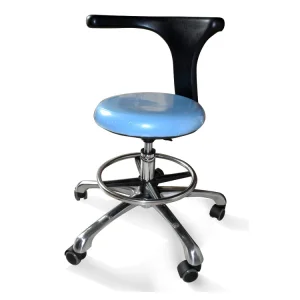
Footrings: Highly beneficial for professionals on high benches to sustain circulation, a feature rarely found in office chairs.

Tilt: Locking tilt options are crucial for lab users leaning forward into equipment, preventing spine strain.
📂

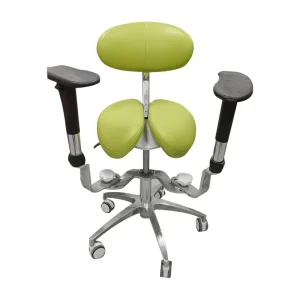
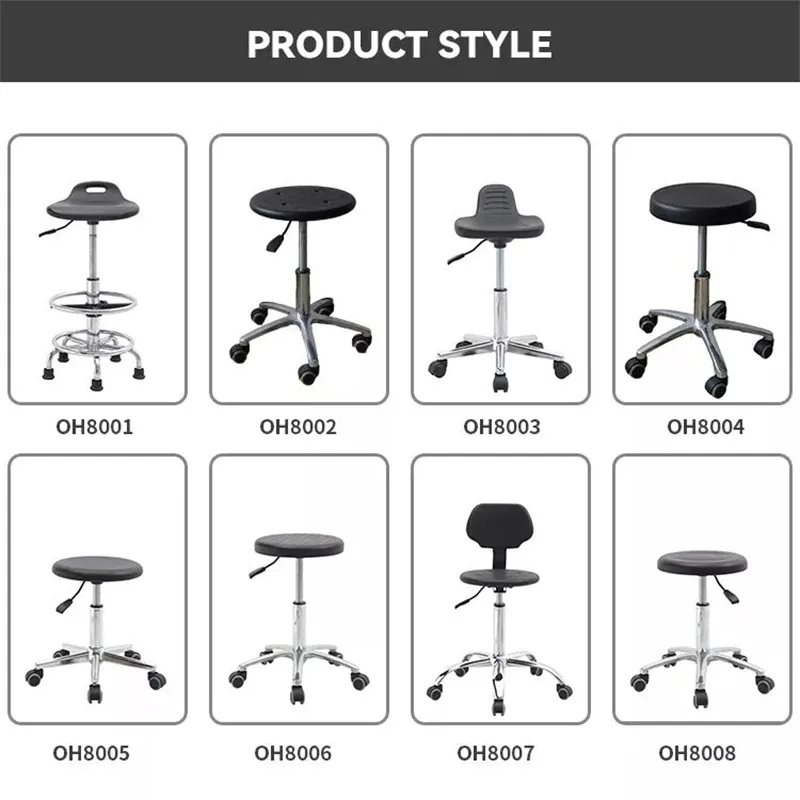
Product Types

Frequently Asked Questions

Why is ergonomics important in a laboratory?
Ergonomics is vital for health, concentration, and productivity. It prevents serious muscular and skeletal injuries caused by bad posture and static positions.
What is the main difference between a lab chair and an office chair?
Lab chairs are engineered for higher workstations, feature adjustable footrings for circulation, and are upholstered in hygienic, easy-to-clean materials suited for clinical environments.
Do your lab stools support height adjustment?
Yes, our stools feature 360-degree all-around pneumatic height adjustment, making them ideal for high benches and clinical facilities.
What materials are the seats made of?
We offer various seat materials including PP, PU soft seat, leather, and stainless steel to meet different laboratory and cleanroom requirements.
What is the benefit of a seat tilt function?
Seat tilt helps position the lower spine correctly, which is essential when users need to bend or lean forward toward equipment or samples.
Are the casters anti-static?
Yes, the accessories include wheels in anti-static materials suitable for cleanrooms and semiconductor applications.

Related Products