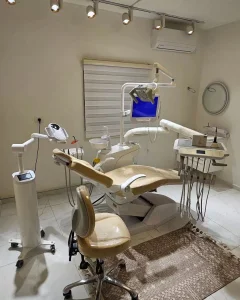
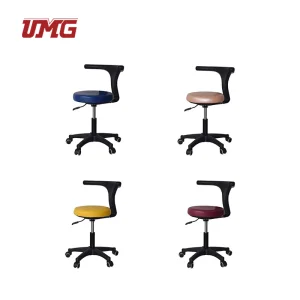
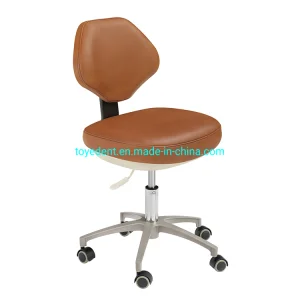
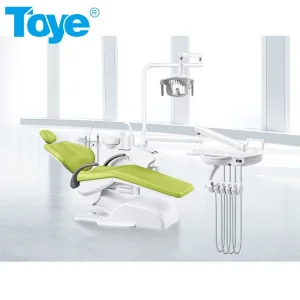
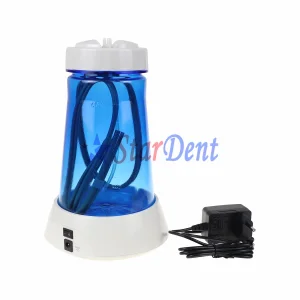
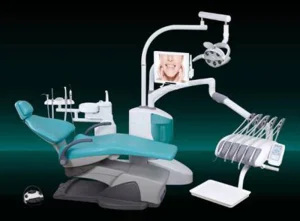
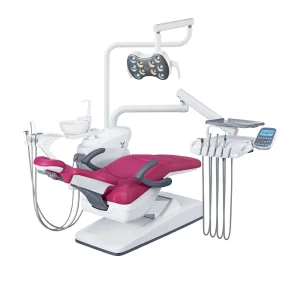
Modern dentistry operations exist within a delicate balance of patient therapeutic efficacy, practitioner ergonomics, and rigorous infection mitigation. In an era hyper-focused on aerosol dynamics, the choice of integrated operatory units directly dictates the clinical outcome and biosafety profile of the practice. Shenzhen Derma Medical Co., Ltd. stands at the forefront of this industrial transition, engineering professional-grade dental suites that prioritize clinical workflow efficiency, patient comfort, and regulatory compliance.
The primary mechanism of biosafety in a modern operatory is the dental suction system. High-velocity instrumentation—such as ultrasonic scalers, high-speed air turbines, and air-polishing units—generates significant volumes of aerosolized particles containing blood, saliva, bacteria, and viral pathogens. High-Volume Evacuators (HVE) combined with robust saliva ejectors are the gold standard for reducing this bacterial load at the point of origin. This document details the technical parameters, manufacturing standards, and integration frameworks defining CE-certified dental treatment stations with integrated suction technologies.
A clinical-grade dental suction system is more than just a vacuum pump. It is an integrated system consisting of flow regulators, separator canisters, filtration devices, and waste lines that must perform reliably under high-stress conditions. In medical operations, suction is broadly categorized into two paths:
Shenzhen Derma Medical optimizes this path by employing high-efficiency, multi-stage filtration assemblies and seamless integration with dry or wet suction pumps. This prevents backflow contamination, a common vector for cross-patient pathogen transmission.
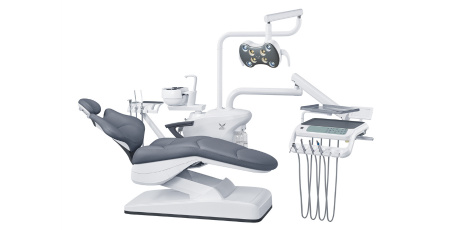
Figure 1: Shenzhen Derma Medical's precision-engineered assembly facility detailing pneumatic and electrical validation tests.
| Performance Metric | Wet Suction System | Dry Suction System | Derma Medical Optimized Integration |
|---|---|---|---|
| Operating Vacuum | 120 - 180 mbar | 160 - 220 mbar | Customized auto-sensing range: 100 - 240 mbar | Flow Rate Capabilities | Up to 350 L/min per chair | Up to 400 L/min per chair | Constant HVE stability >320 L/min |
| Separation Method | Integrated within utility room pump | Requires centrifugal separator at the chair | Centrifugal separator with built-in amalgam filters |
| Maintenance Profile | Low mechanical wear, high water use | Dry pumps require filter cleaning, zero water usage | ECO-system configuration matching regional requirements |
The global medical equipment procurement chain requires manufacturing partners capable of balancing technological sophistication with commercial viability. As an established industrial cluster for electronics and precision medical devices, Shenzhen, China provides an unparalleled ecosystem for producing advanced dental chairs and treatment units.
Shenzhen Derma Medical Co., Ltd. leverages this cluster to source high-grade components—including noiseless hydraulic systems, medical-grade polyurethane upholstery, precision solenoid valves, and durable LED sensor lamps. By consolidating R&D and manufacturing in-house, we control quality at every step, offering global partners distinct advantages:
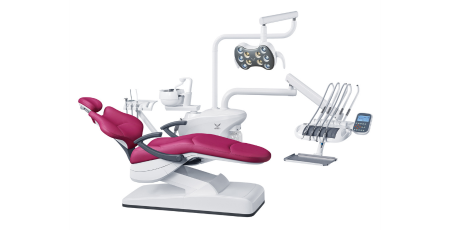
Figure 2: Quality Inspection and calibration center of integrated water separation systems.
Quality control is integrated into our manufacturing culture, rather than being a post-production check. Every dental chair unit leaving the line undergoes a series of rigorous, standardized tests:
From university dental teaching hospitals with hundred-chair setups to mobile clinics operating in remote regions, a single design cannot fit all clinical environments. We offer tailored structural packages configured for specific operational scenarios.
Centralized suction infrastructure optimized for high duty cycles. Integrated backflow prevention keeps the primary plumbing lines isolated, reducing cross-infection risks in high-traffic clinical settings.
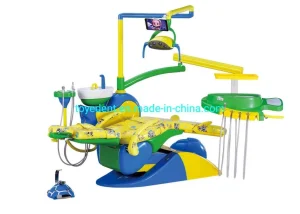
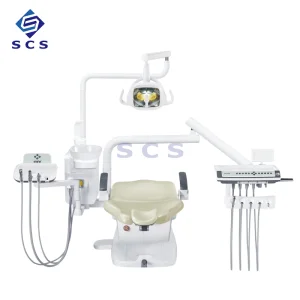
Focuses on aesthetics, silent motor integration, and superior patient comfort. Features digital touch interfaces, high-definition intraoral cameras, and sensor-controlled LED lights for efficient standalone operations.
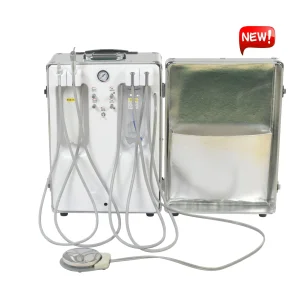
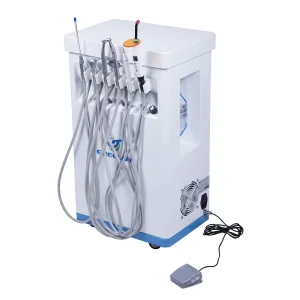
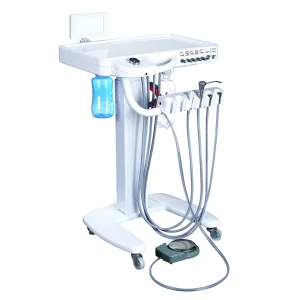
Deployable units with built-in oil-free compressors and lightweight, mobile carts. Engineered for quick setup in rural clinics, disaster relief zones, and military field operations.
For international buyers, distributors, and hospital purchasing directors, procurement of dental operatory equipment goes beyond the unit price. A thorough evaluation involves analyzing compliance, longevity, and supply chain reliability. We recommend evaluating manufacturers based on these three pillars:
Verify that the factory provides certified CE test reports issued by recognized notified bodies. For EU markets, confirm compliance with EN ISO 7494-1 & -2 (Dental units and dentistry water/air systems) and EN ISO 10993 (Biological evaluation of medical devices).
A reliable supplier must offer hardware and software adaptions. This includes offering customizable handpiece configurations (whip-arm vs. hanging delivery systems), tailor-made color schemes matching hospital branding, and adaptable input voltage settings (110V/220V, 50Hz/60Hz).
Calculate long-term values: structural durability of metal components, availability of modular spare parts (solenoids, tubes, LED drivers), and maintenance ease of the suction separator system. Shenzhen Derma Medical maintains a comprehensive spare parts inventory, ensuring rapid shipping to our international distribution partners.
Answers to critical questions regarding clinical installation, regulatory approval, and suction operation.
 Derma Medical