In the highly critical environment of modern dental surgery, illumination represents the bridge between diagnostic accuracy and operational success. Traditional operatory lights often suffer from two major flaws: excessive heat generation and localized shadowing caused by the clinician's head, hands, or instruments. This has driven the industry toward the adoption of sophisticated shadowless dental operating lights.
Technological refinement in this sector relies on multi-source optical engineering. By aligning multiple light-emitting diode (LED) clusters in a calculated geometry, light rays converge from multiple angles toward the focal point within the oral cavity. Even when a portion of the light path is obstructed, overlapping beams from alternative LED pods compensate, virtually eliminating the umbra and penumbra zones.
Furthermore, advanced systems focus on chromatic integrity. Modern dental light systems aim for a High Color Rendering Index (CRI Ra > 95) and critical R9 value (> 90), allowing dental practitioners to differentiate between tissue shades, detect pathology, and precisely match composite resins under simulated natural daylight.
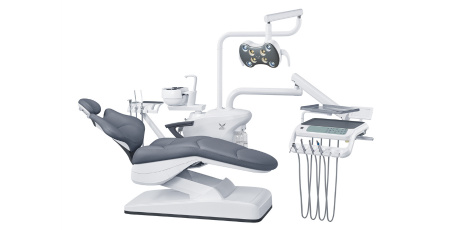
Procurement departments in medical institutions, public health organizations, and larger dental groups face a challenging market. Selecting a reliable manufacturer of shadowless operating lights involves striking a balance between initial capital expenditures, long-term operational durability, and technical performance. The global landscape demands specific solutions based on regional needs:
Emphasis is placed on strict regulatory compliance (FDA Class II, CE MDR) and seamless integration with high-end ceiling dental chair units. Features like touchless gesture control and tunable Kelvin ranges to prevent the premature curing of light-activated dental restorations are highly requested.
Demand in these regions centers on durability, voltage surge protection, and dual-purpose configurations (e.g., medical examination and minor dental surgery). Buyers prioritize cost-efficiency and regional support for spare parts supply chains.
Dental Support Organizations (DSOs) focus on standardization. They look for uniform light patterns across clinical chains, modular replacement parts, and verified shadowless performance certifications from third-party test labs.
Evaluating an OEM/ODM partner for shadowless dental lights requires assessing concrete engineering data. High-quality manufacturers adhere to strict performance envelopes to prevent visual strain for the operator and minimize heat emission toward both patient and practitioner.
| Performance Parameter | Industry Baseline Standards | Derma Medical Advanced Class Specifications |
|---|---|---|
| Illuminance Level (Lux) | 8,000 - 30,000 Lux | 8,000 - 120,000 Lux (Steplessly Adjustable) |
| Color Temperature (Kelvin) | 4,500 K - 5,000 K (Fixed) | 3,000 K - 5,700 K (Adjustable with Anti-Curing Mode) |
| Color Rendering Index (CRI) | Ra ≥ 85 | Ra ≥ 97, R9 ≥ 92 |
| Shadowless Ratio | ≥ 70% obstruction recovery | ≥ 95% obstruction recovery (Fully Shadowless) |
| Light Field Diameter | 80mm - 150mm | 90mm - 200mm (Sharp boundary collimation) |
| Cooling System | Active Fan-based Cooling | Passive Thermal Dissipation (Zero Noise, Zero Dust Airflow) |
The dental operatory lighting sector is moving beyond basic illumination toward digital integration. As a key node in modern clinical environments, next-generation shadowless dental lights feature smart integrations:
Physical knobs are being phased out in favor of proximity-based infrared gesture sensors and voice-controlled systems. This helps maintain high sterile standards during surgical procedures by eliminating physical touchpoints.
Modern LEDs can automatically adapt their spectral distribution, filtering out the blue-wavelength spectrum (400nm - 480nm) that initiates polymerization. This gives dentists extra work time with composite resins without early setting.
Newer structures utilize thermal conductive alloys that draw heat away from the LED core through passive thermal convection. This eliminates the need for noisy fans, preventing air currents from drying out patient tissues during operations.
Regulatory frameworks for medical lighting devices are more stringent than ever. A qualified Chinese manufacturing facility must prove compliance with global standards to safeguard human health and device reliability. Key structural and regulatory components include:
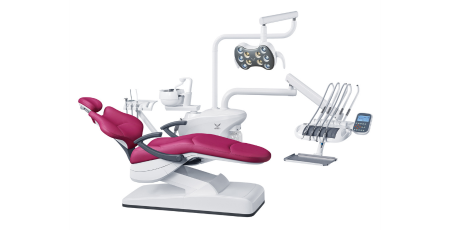
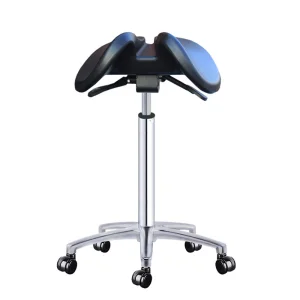
Shenzhen Derma Medical Co., Ltd. is a professional manufacturer specializing in high-quality dental equipment, with a strong focus on dental units, dental chairs, and ergonomic dental stools. With years of industry experience, the company integrates research and development, production, and global sales to deliver reliable and innovative solutions for modern dental clinics.
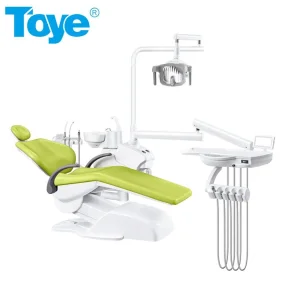
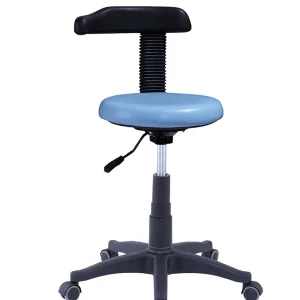
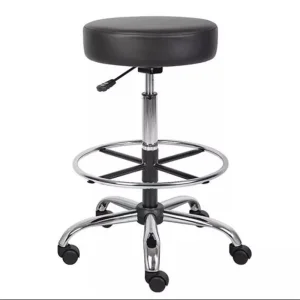
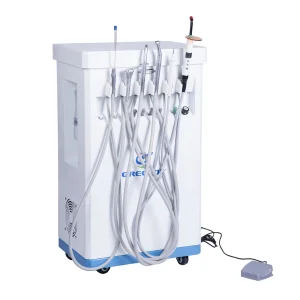
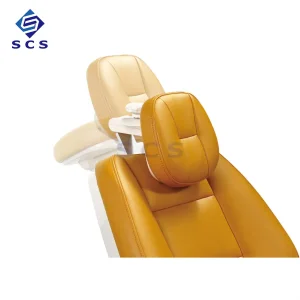
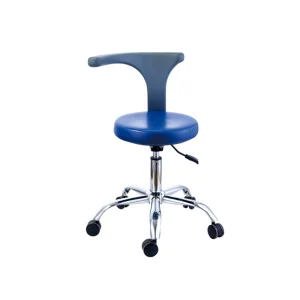
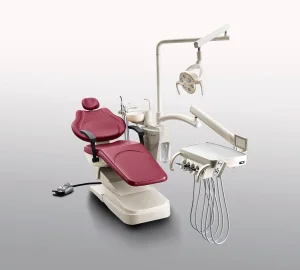
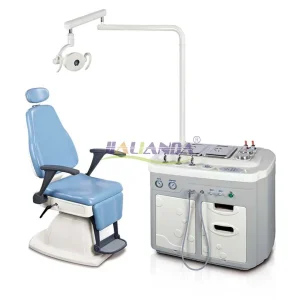
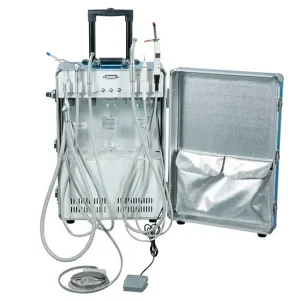
Our product range includes advanced dental chair units, portable and integrated dental systems, as well as ergonomically designed dentist and assistant stools. Each product is engineered to enhance clinical efficiency, improve patient comfort, and support the long-term health of dental professionals. By combining user-friendly design with durable materials and precise manufacturing, we ensure consistent performance and long service life.
Shenzhen Derma Medical is committed to meeting international quality standards, with strict quality control processes applied at every stage of production. We continuously invest in new technologies and product upgrades to adapt to the evolving needs of dental practices worldwide.
We provide flexible OEM and ODM services, supporting global distributors, dental clinics, and medical equipment brands with customized solutions. Guided by the principles of quality, reliability, and customer satisfaction, we strive to build long-term partnerships and deliver value-driven dental equipment to clients around the world.
Shadowless operating lights distribute illumination across an array of LEDs pointing at slightly different, calculated angles. When a doctor's hand or instrument blocks light from one LED source, other LEDs in the array bypass the obstacle. This design minimizes the shadows cast in the patient's oral cavity.
A High Color Rendering Index (CRI, particularly Ra values above 95) ensures that colors under the lamp appear similar to natural sunlight. This accuracy is vital for identifying inflamed soft tissues, assessing tooth decay, and selecting shade guides for restorations.
Different procedures require different lighting conditions. Higher kelvin ranges (e.g., 5,000K-5,700K) resemble daylight, which helps during color matching and details assessment. Warm ranges (3,000K) reduce glare and prevent composite filling materials from curing too quickly, giving the dentist more time to work.
Quality LED assemblies from premium factories are rated for 50,000 hours of active operations. This translates to more than 15-20 years under normal clinical conditions. They require far less maintenance and consume less power than older halogen lights.
Yes, most Chinese dental light manufacturers offer standard post mounts (diameter 22mm or 26mm) and ceiling/wall mounting brackets. This allows them to integrate with existing dental chair setups, including the models from Shenzhen Derma Medical.
To ensure safe operation and compliance, importers should verify that the factory holds valid ISO 13485 quality systems, CE certificates (particularly MDR-compliant), and FDA registration for Class I/II devices, alongside testing for IEC 60601 safety standards.
 Derma Medical